
education as a vehicle for change
Free gynaecological health education for schools, universities and workplaces across the UK.
Many people only find out the details of gynaecological cancers and their symptoms after diagnosis. So rather than waiting for this point, we take the conversation schools, universities and work places.
Twenty-one women die of a gynaecological cancer every day in the UK. Most of those deaths are preventable, but only if people know what to look for, what their bodies are telling them, and where to go when something feels wrong.
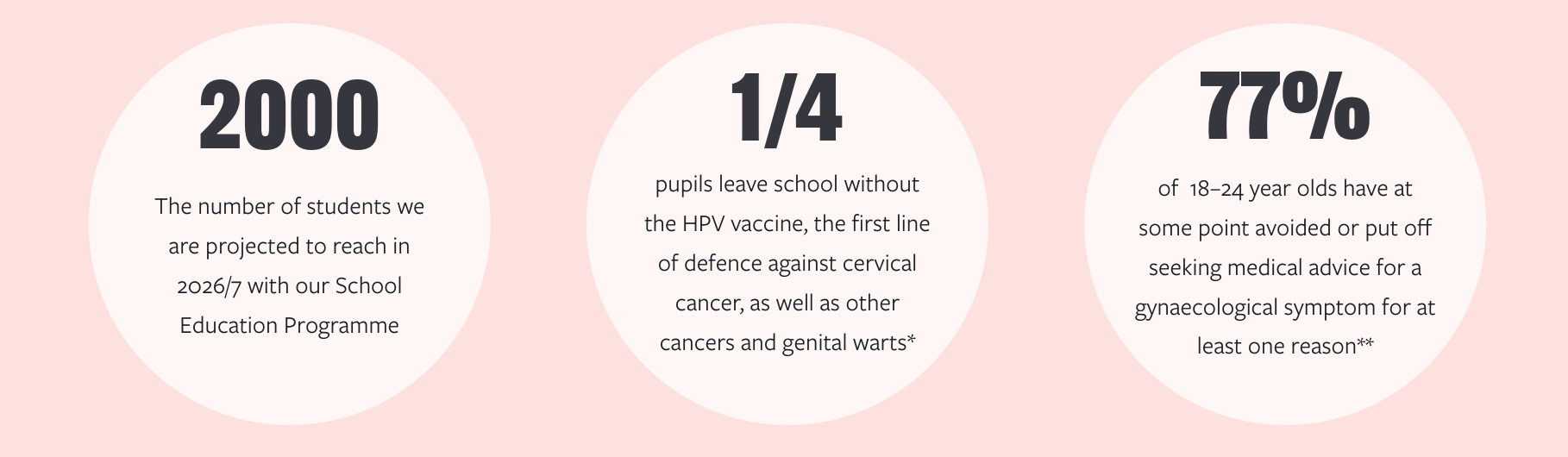
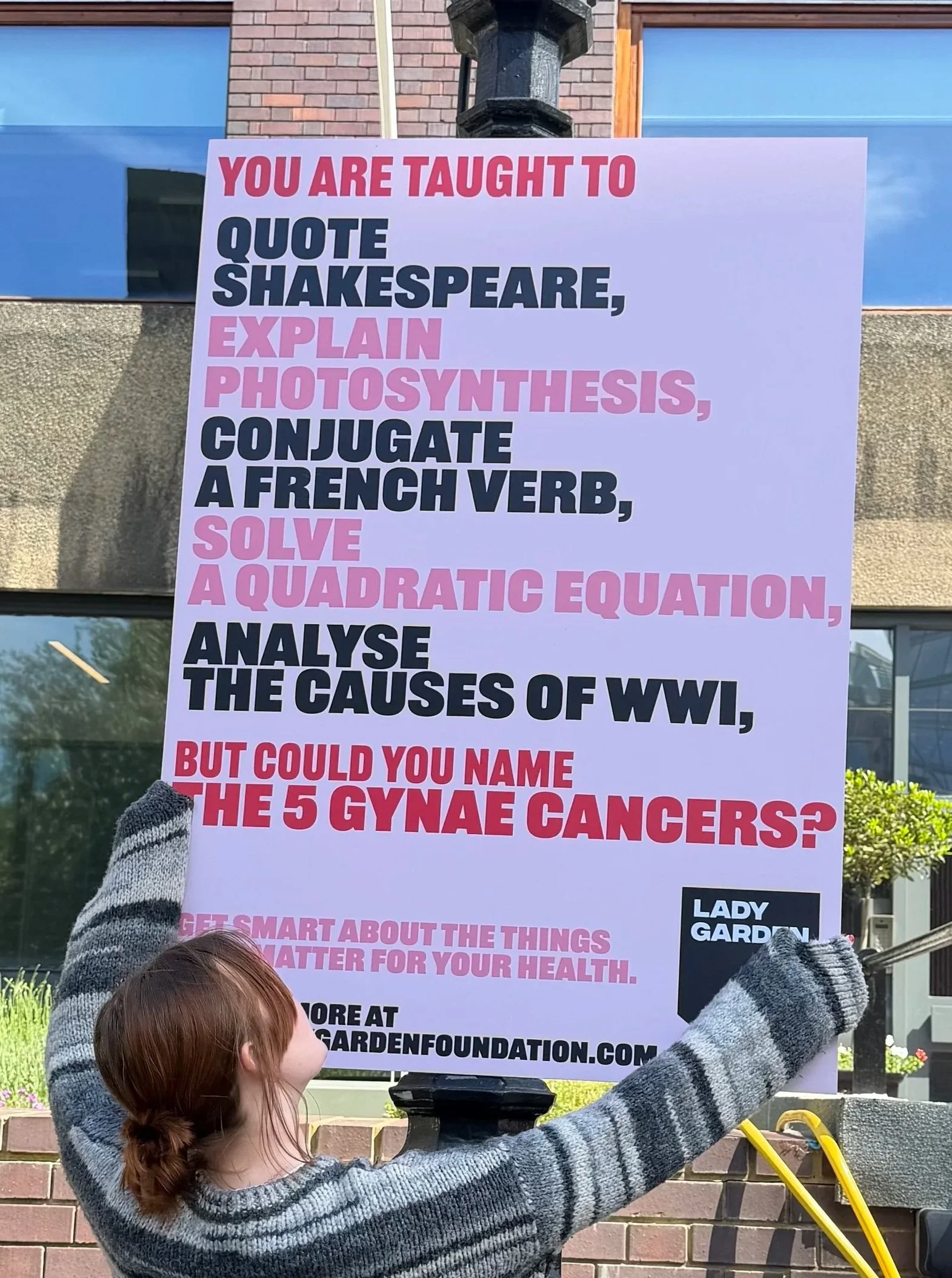
Most people don’t have those tools. 78% of women aged 18 to 44 can't name the signs and symptoms of the five gynae cancers. A quarter leave school without their HPV vaccine. A third of eligible women don't attend cervical screening when they're invited.
Our Education Programme is how we close that gap. We give people the knowledge, confidence and language to look after their gynaecological health, and to keep that awareness with them for the rest of their lives.
SCHOOL EDUCATION programme
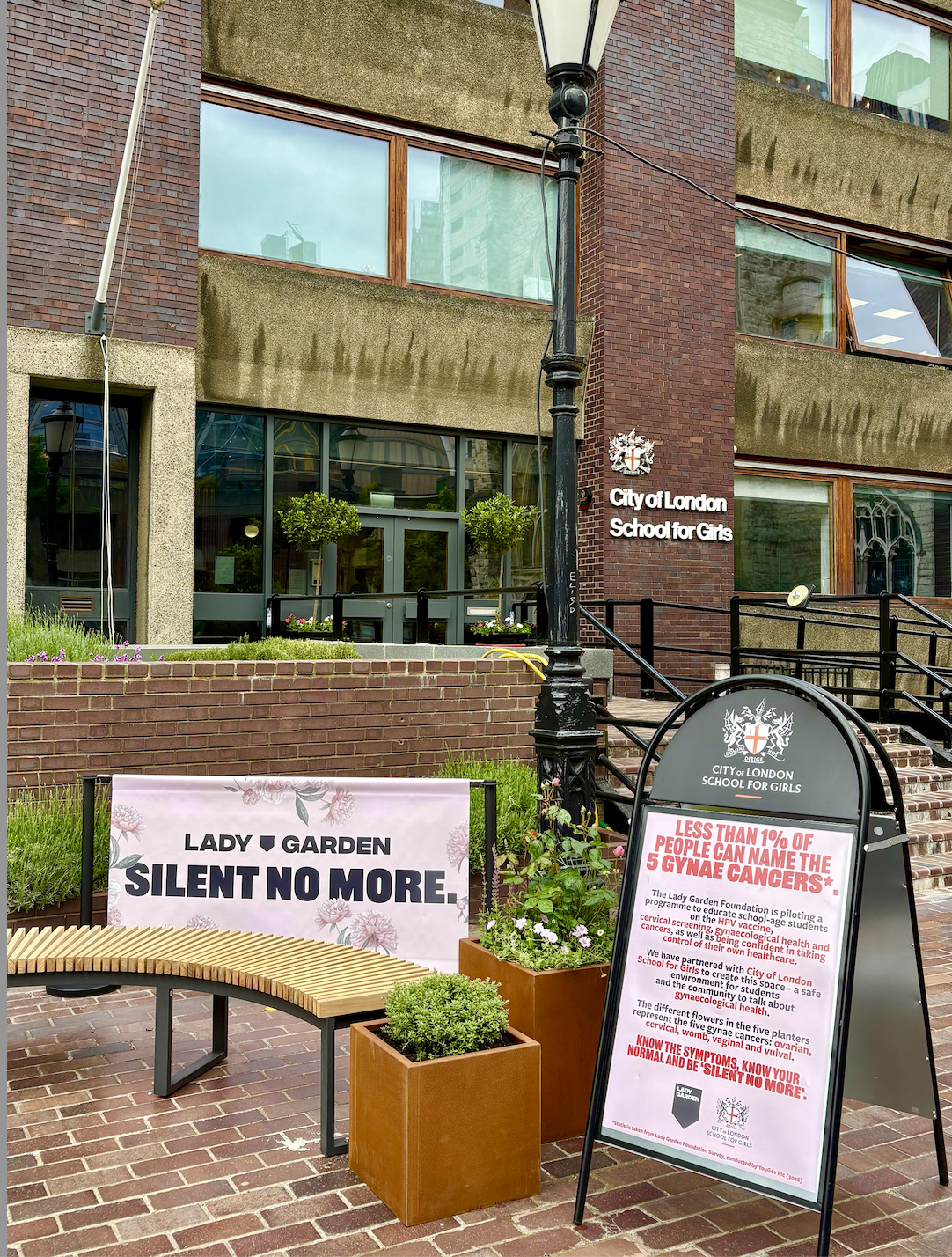
RSHE guidance asks schools to cover puberty and vaccinations, but it does not explitely mention the HPV vaccine, cervical screening, or gynaecological cancers and their symptoms. So, we are filling that gap. Our free schools programme helps schools to teach gynae health well, and puts students at the heart of it.
What is the Lady Garden School Programme?
Our free schools programme brings gynae health education into secondary schools, led by your own students.
Year 12 students train as Lady Garden Reps and deliver awareness assemblies to younger year groups, run their own fundraising events, and champion open conversation across the school; a real leadership role that stands out on a UCAS application. For staff, every session also comes as a ready-made teacher lesson, with a slide deck, a lesson plan, an activity sheet and speaker notes.
All of it is built around the September 2026 updated RSHE guidance, and goes further, naming the five gynae cancers and their symptoms, explaining the HPV vaccine and cervical screening, and building the confidence to speak up at a GP. It is taught for all genders and built on positive attitudes rather than fear.
What resources do we provide?
Everything a school needs, all in one place in the Lady Garden Schools Hub app.
Set-up pack. A welcome guide and set-up instructions
Year 12 Rep training. Everything your Year 12 reps need to feel confident and share only accurate, approved information.
Assemblies with scripts. Three peer-delivered assemblies: Year 8 (HPV), Year 10 (knowing your normal), and Years 12 and 13 (gynae health).
Teacher lessons. A lesson version of each assembly, with a slide deck, a lesson plan, interactive activities, an activity sheet and speaker notes.
HPV vaccination support pack. Flyers and information to help boost vaccine uptake.
Parent pack. An information presentation for parents and carers, and a guide to becoming a parent rep and fundraising.
Evaluation tools. Simple pupil and teacher feedback so you can see your impact.
Access to the Lady Garden School Hub App and community. Where all the resources live, as alongside our growing network of schools who post their activties on our feed and compete to raise the most money for Lady Garden.
How does a school take part?
All of our resources are free to access; please click the link below to contact us about joining the programme.
If your school would like to discuss a more in-depth collaboration, such as an in-person talk from a Lady Garden speaker, a personalised campaign, or a bespoke fundraising activity, please get in touch using the same form below.
*(https://www.gov.uk/government/news/1-in-4-school-leavers-unprotected-by-hpv-vaccine)
**Lady Garden Foundation Survey, conducted by YouGov Plc (2026)
university education programme
University is first time many are managing their own healthcare, forming long-term habits, and approaching the age of their first cervical screening invitation.
freshers’ week: our entry point
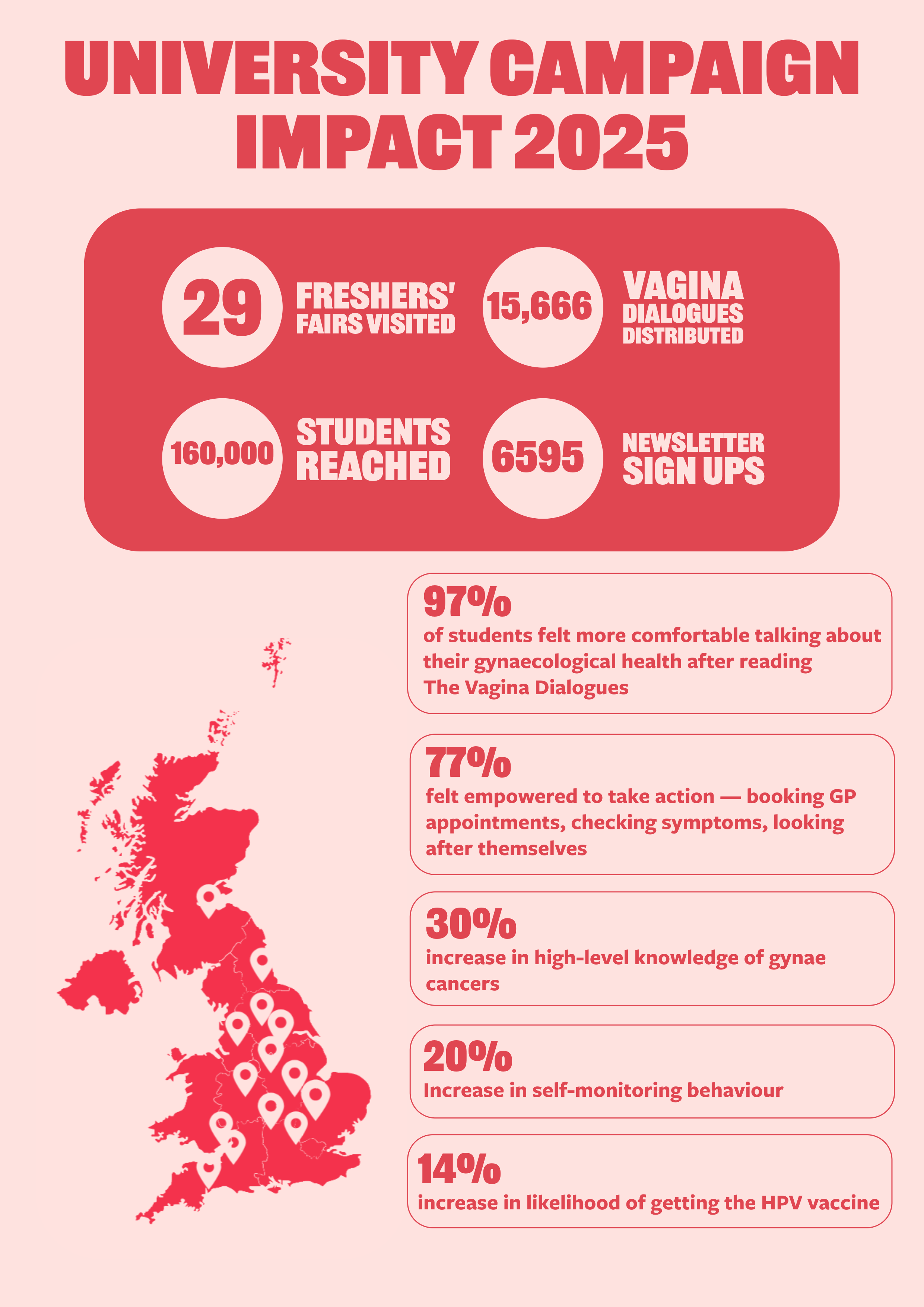
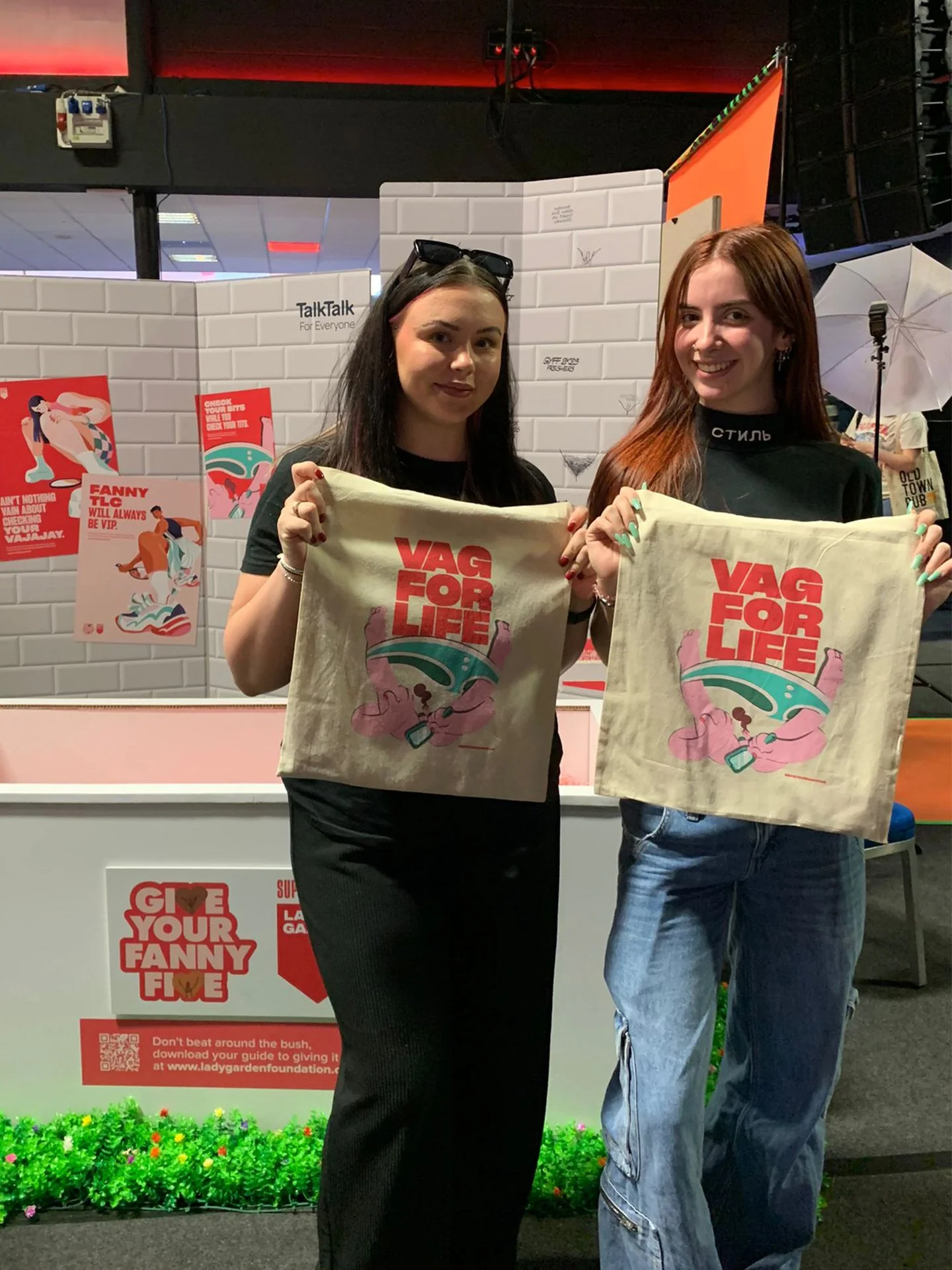
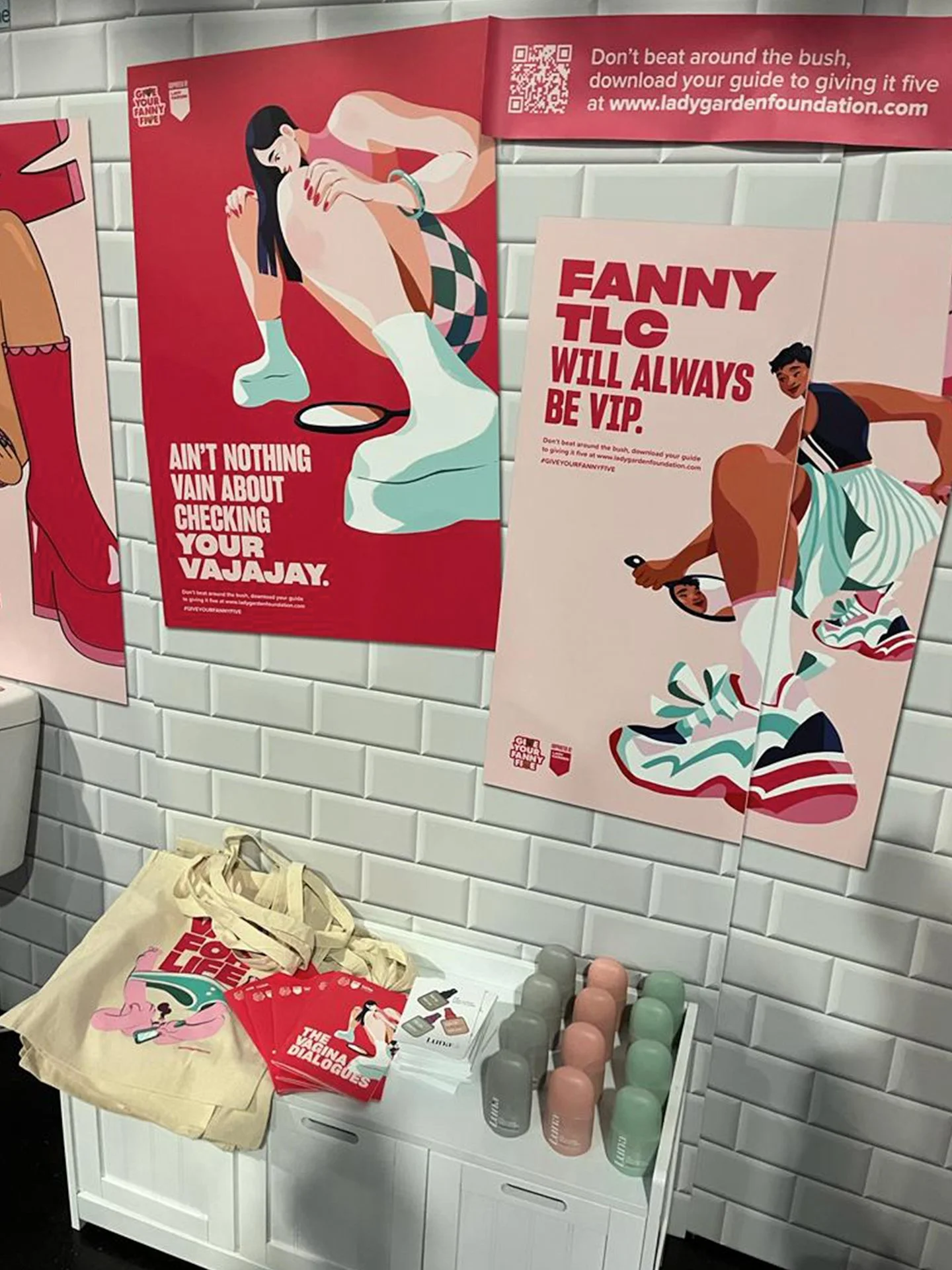
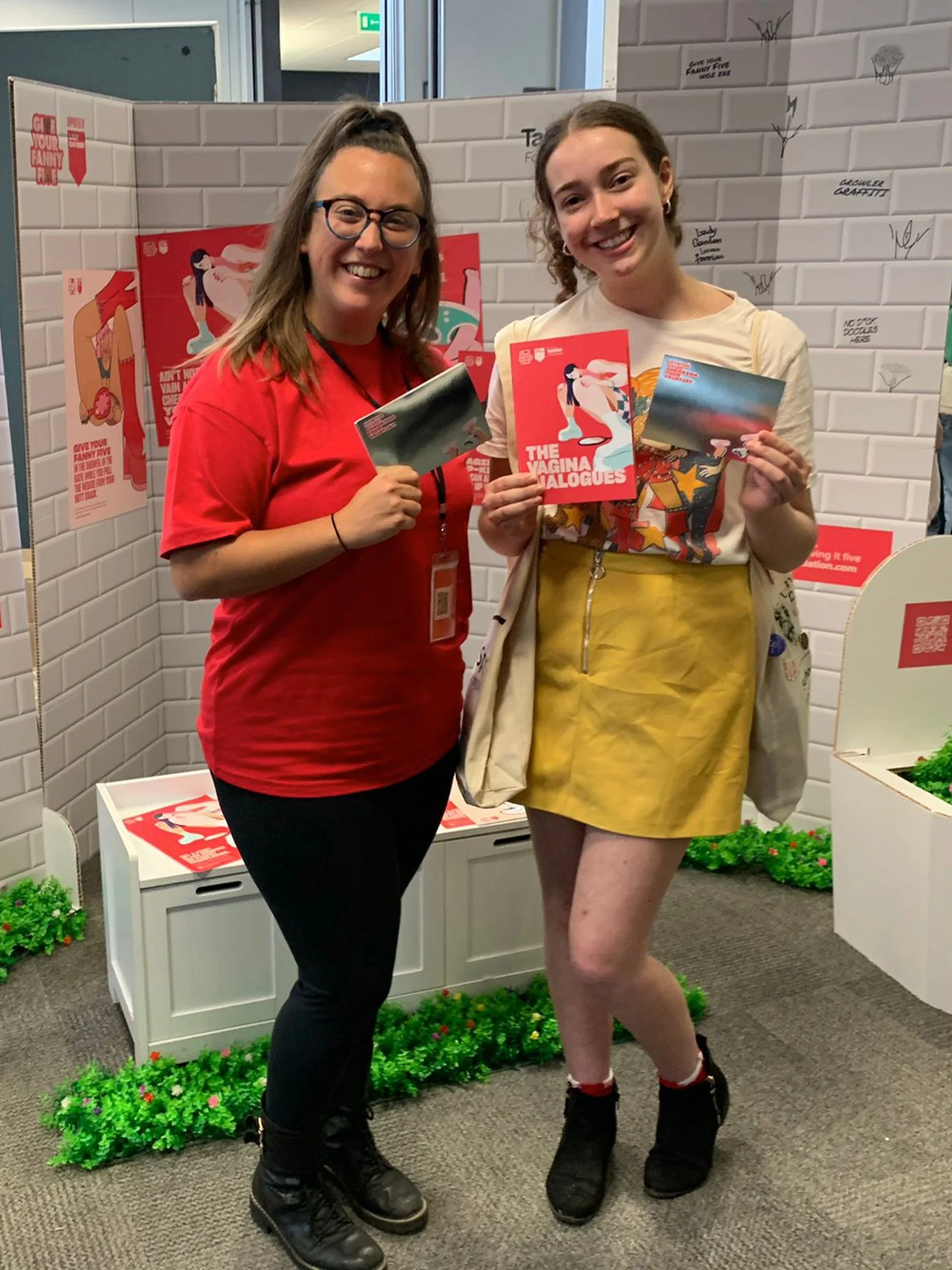
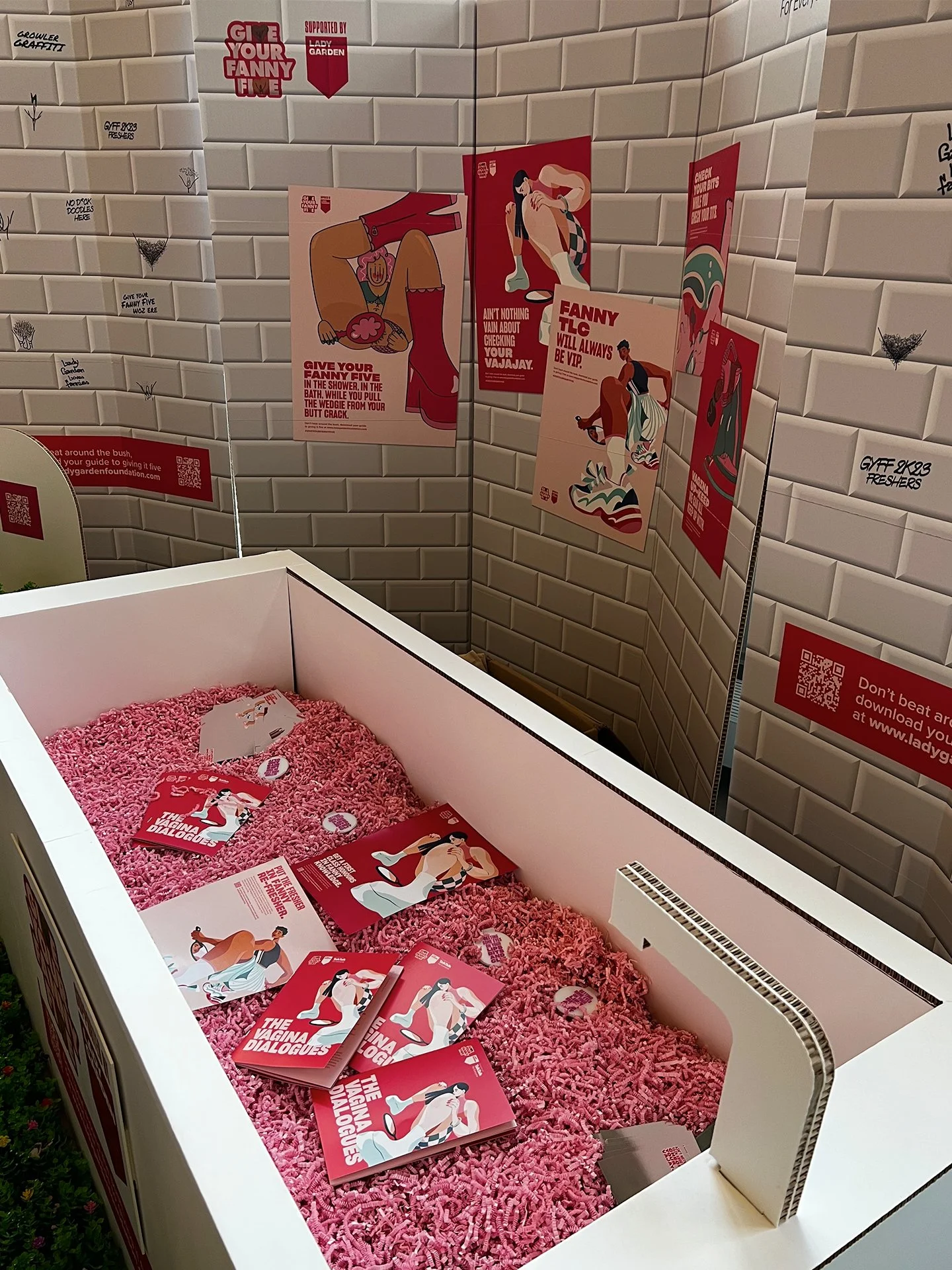
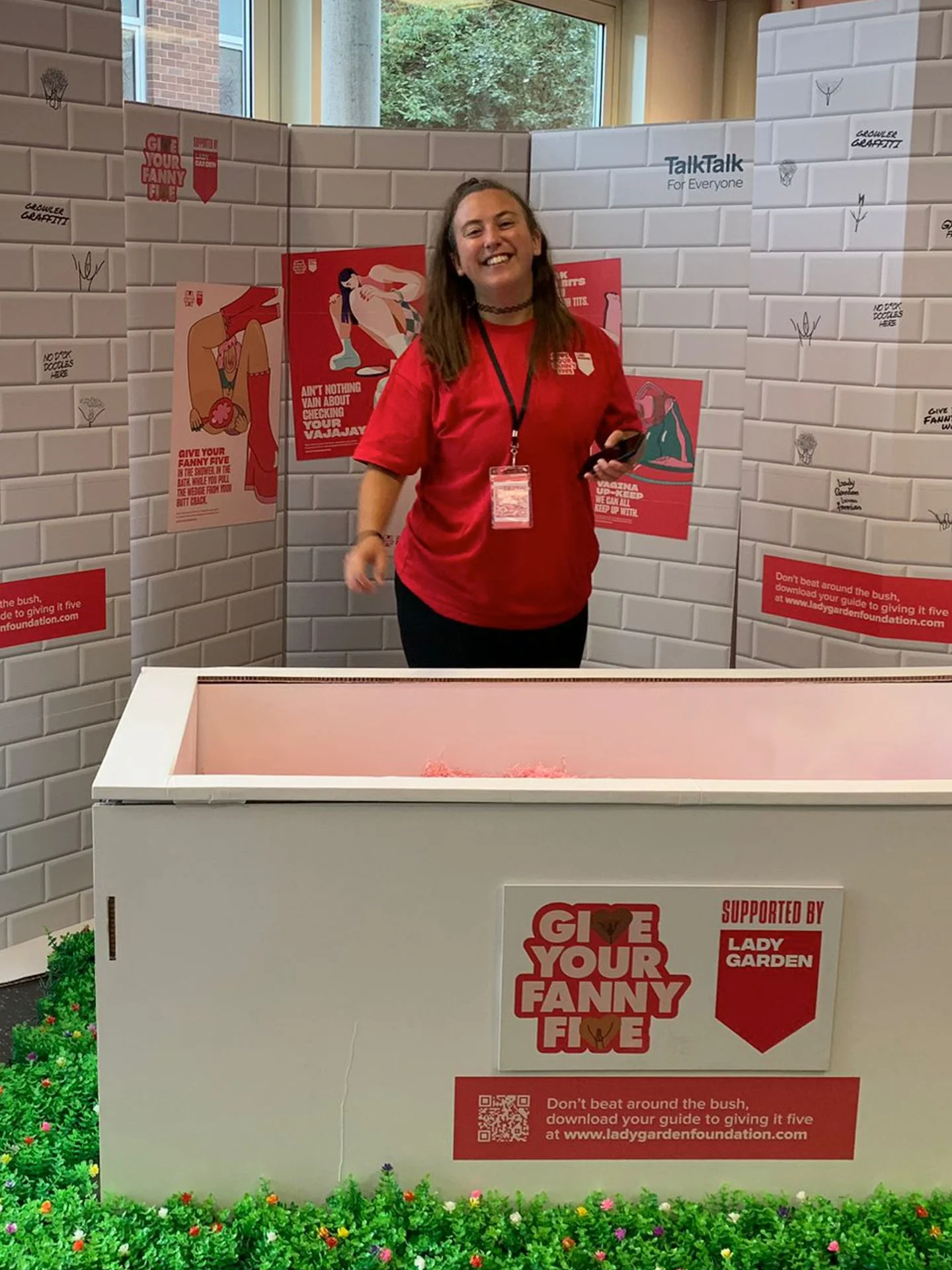
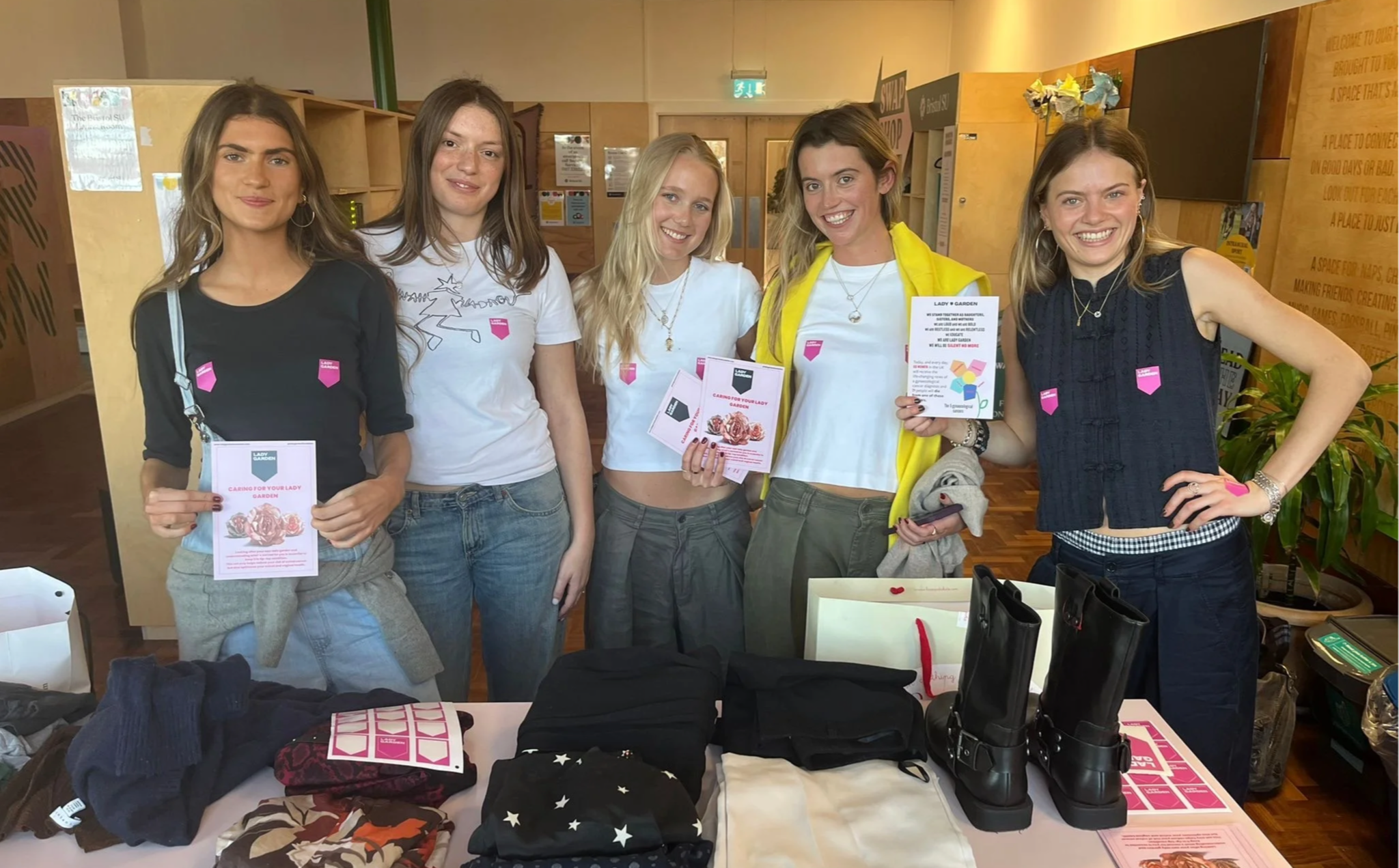
We launched at the University of Manchester in 2022, handing out our gynaecological health guide The Vagina Dialogues to 16,000 students. By 2025, we were at 29 universities and had distributed 30,000 guides.
"I liked how you made a topic that's often taboo and awkward into something fun and inviting. The ambassadors were really informative and I felt very passionate about the foundation after leaving the stand."
- Student, Durham univeristy
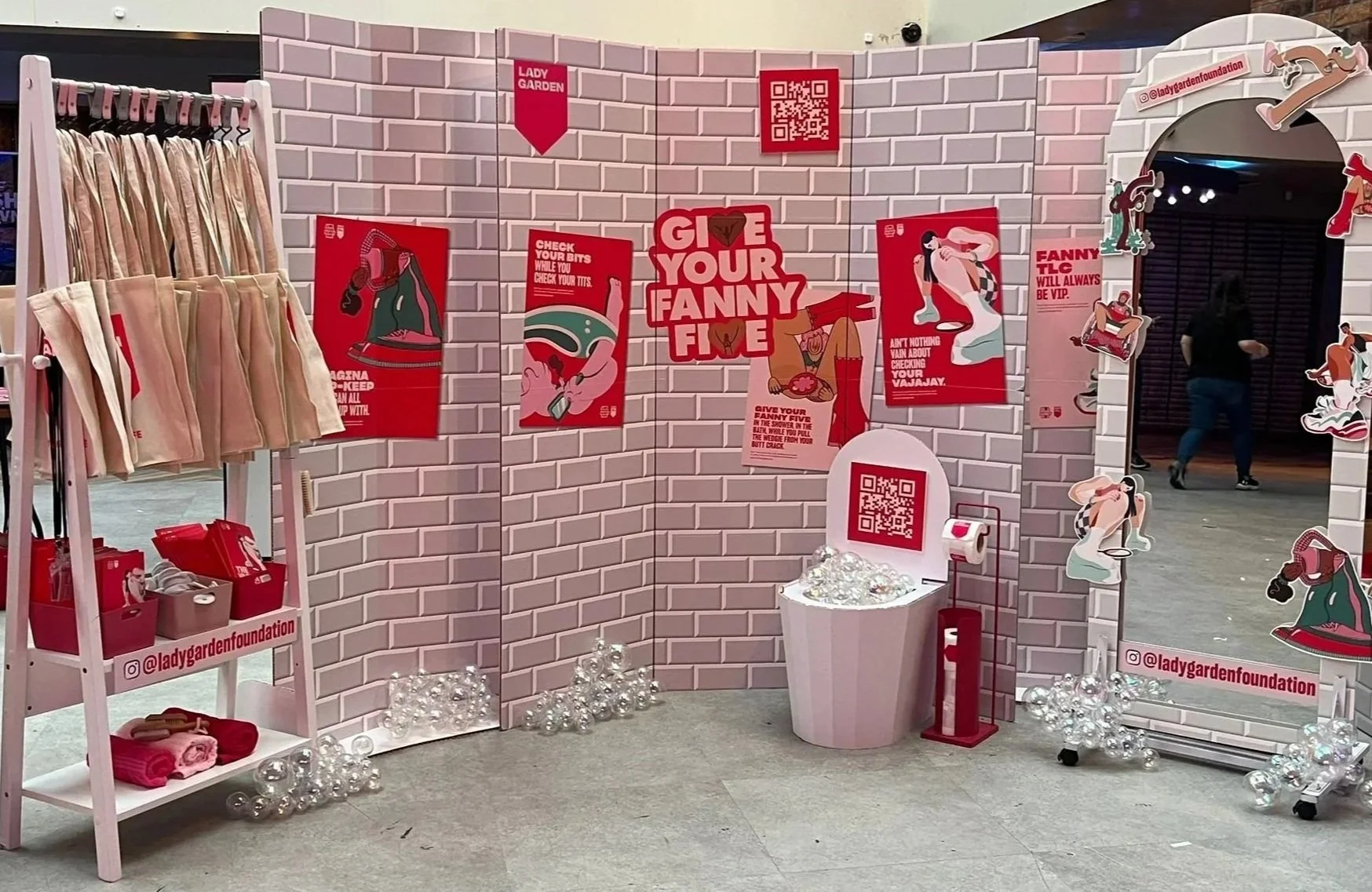
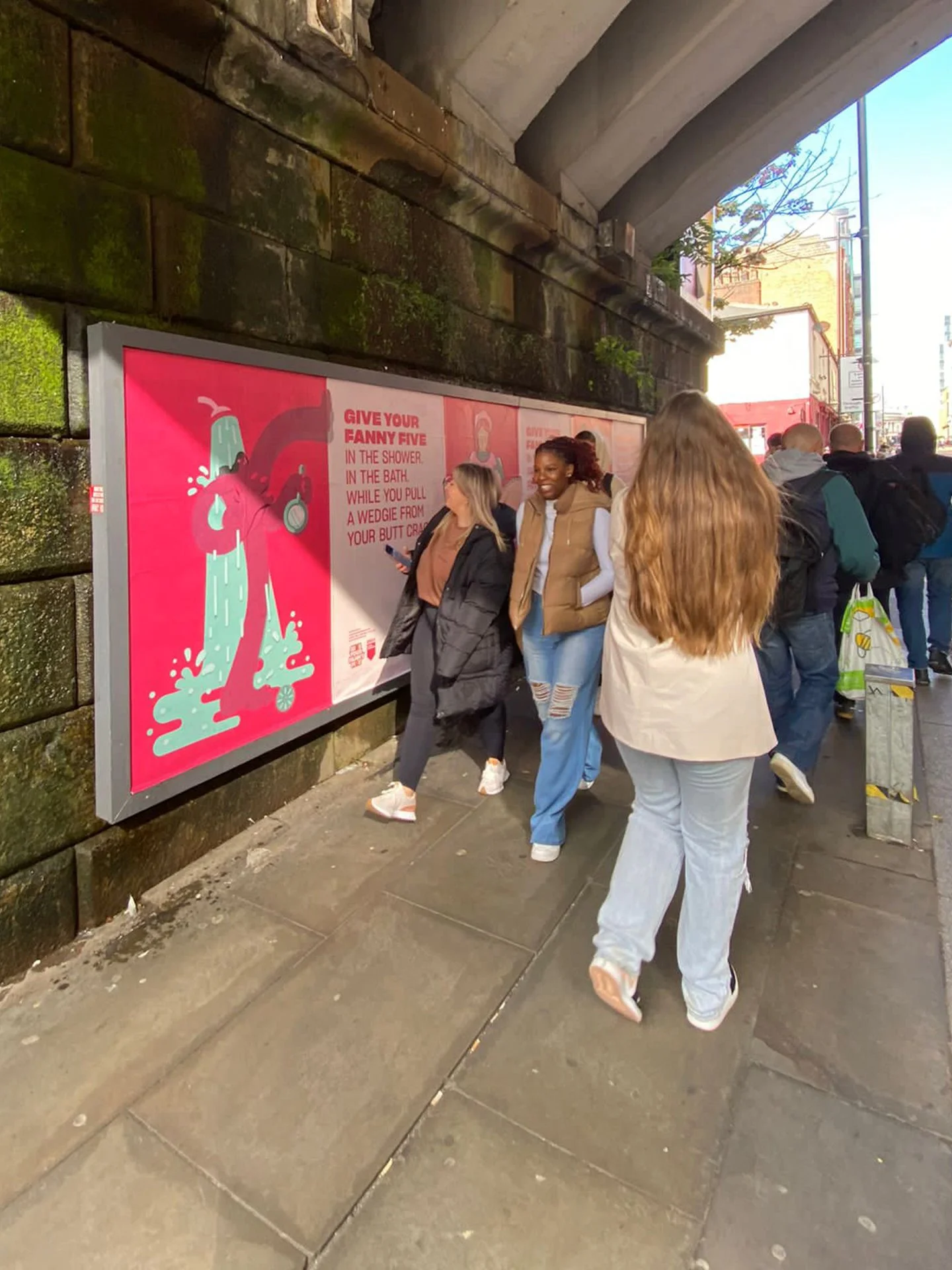
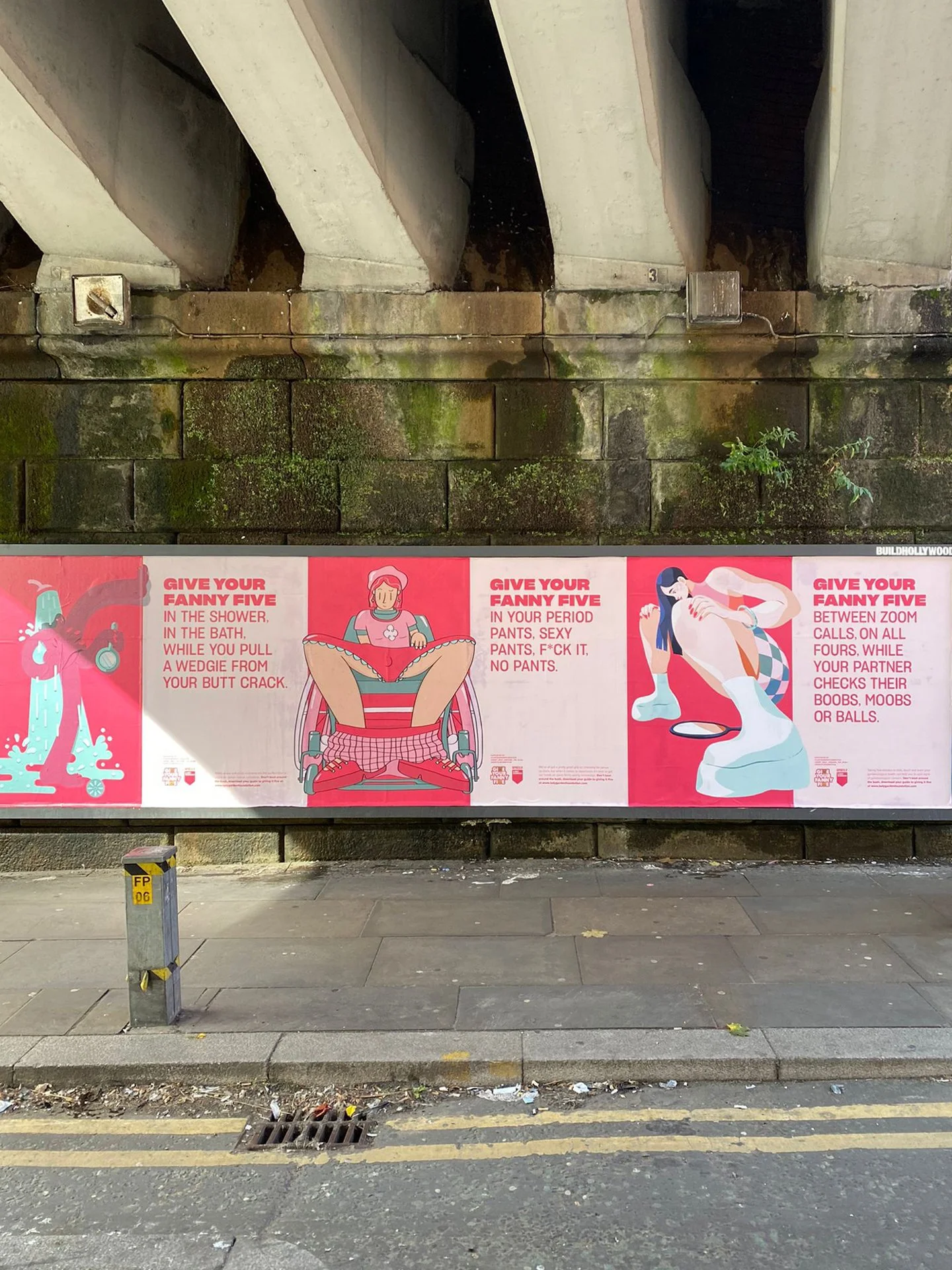
our university campaign effectively demonstrates that by changing the way we present and discuss a serious public message…
we can empower those with vaginas to overcome embarrassment and take better care of their gynae health.
Read our most recent Impact Report below to better understand our campaign approach.

university ambassador programme
Our ambassadors are the engine of the programme. They're students who carry the conversation forward at their universities long after Freshers' Week ends by running awareness activities, supporting Freshers' stands, sharing content, organising events, and volunteering at Lady Garden moments throughout the year.
What ambassadors do
Lead on-campus awareness activities
Support Freshers' Fair delivery at their university
Share our online content
Help raise funds to keep the work going
Connect with ambassadors across the UK through training calls and shared campaigns
What ambassadors get back
A Lady Garden merch pack and ambassador handbook
A professional reference
Priority consideration for internships and placements
Practical skills in campaigning, fundraising and event delivery
Access to our end-of-year networking event with leaders across medicine, law, media, consulting, charity and beyond
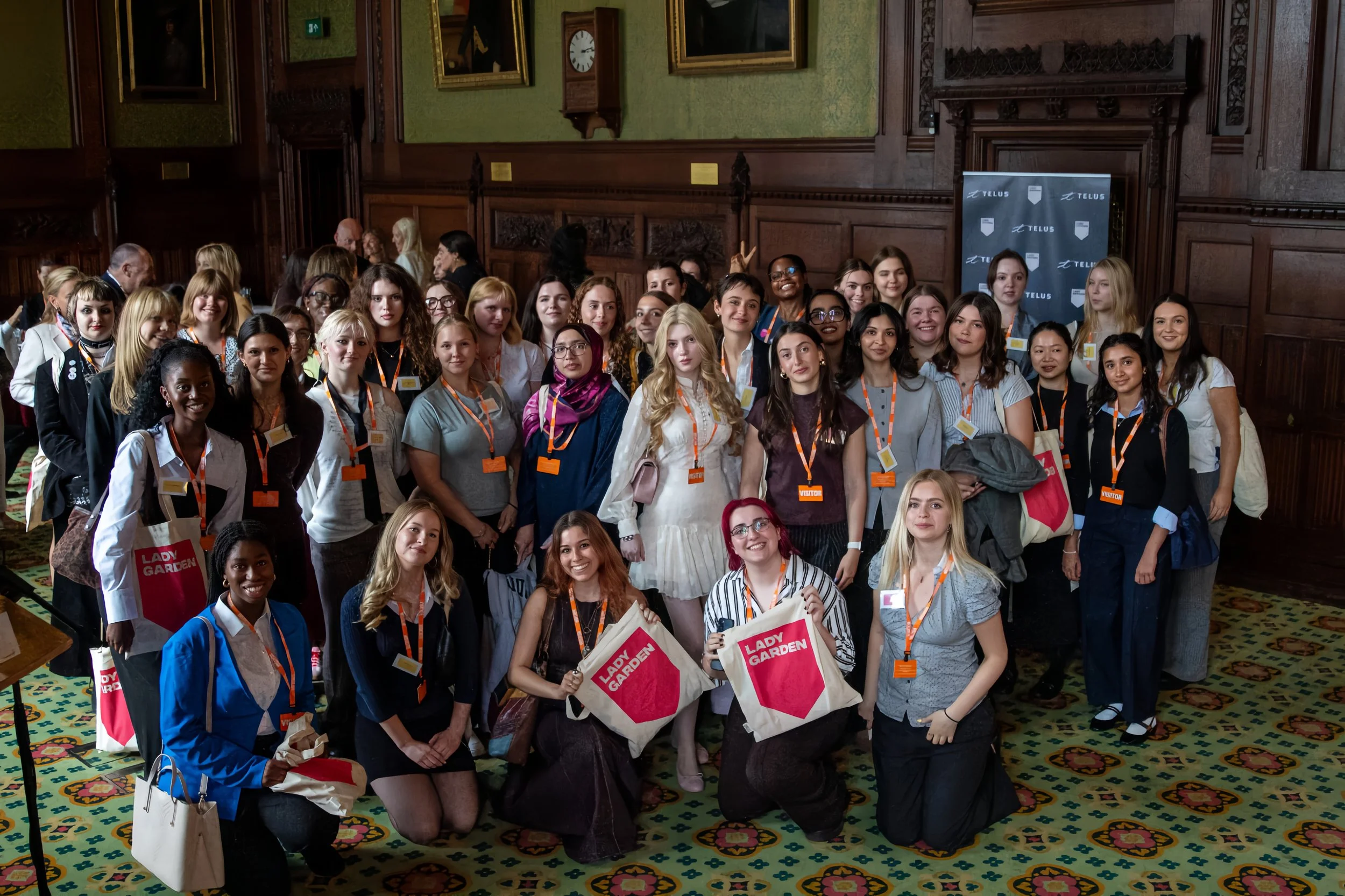
Our Annual Student Networking event
This year, for the first time, we brought our Student Ambassadors together with leaders from across industries for an afternoon of career networking, conversation and connection. It's both a thank-you to the students who give their time to the programme and a way of opening doors for our next cohort of ambassadors.
We pilotted the format in June 2026, hosting the inaugural Generation Prevention: Parliamentary Summit in the Members' Dining Room at the House of Commons, with The Rt Hon the Baroness Nicola Morgan of Cotes as our kind host.
For our ambassadors, it was a chance to build the kind of professional network that's hard to come by as a student. For the industry leaders who joined us, it was window into the work our ambassadors are doing on campuses across the UK.
want to become a UNIVERSITY ambassador?
We’re on the lookout for passionate individuals looking to fly the fanny flag for their university. If this sounds like something you’d love to be a part of, click below to find out more about the university ambassador programme:
workplace education programme
41% of UK adults have run into a problem when seeking advice about a gynaecological issue, rising to just over half of those aged 25 to 44. The most common was feeling that a GP was dismissive or did not take their concerns seriously, at 26%*. As well as this, cervical screening coverage in England stands at 68.8%, down from 75.7% in 2011, and has been below the programme target every year since**.
That is why we are taking our education programme into workplaces; so that everyone, including male colleagues, has the knowledge to understand these cancers, recognise symptoms early, and support the people around them in seeking care with confidence.
Do you want your workplace to become more aware of gynae health?
Here's how organisations can get involved, at whatever level works for you:
Share our free resources. Add our workplace toolkits and guides on symptoms, screening and HPV to your intranet, newsletters or internal channels.
Train a Workplace Champion. Put forward an employee to join our trained network of advocates, keeping the conversation going year-round.
Book a session for your team. Host a talk, workshop or panel discussion on-site, with open conversations, input from our medical team, and a conversation starter, such as an activity, to make a difficult subject easier to raise.
financial times x lady garden: ‘know the signs’ wellbeing event
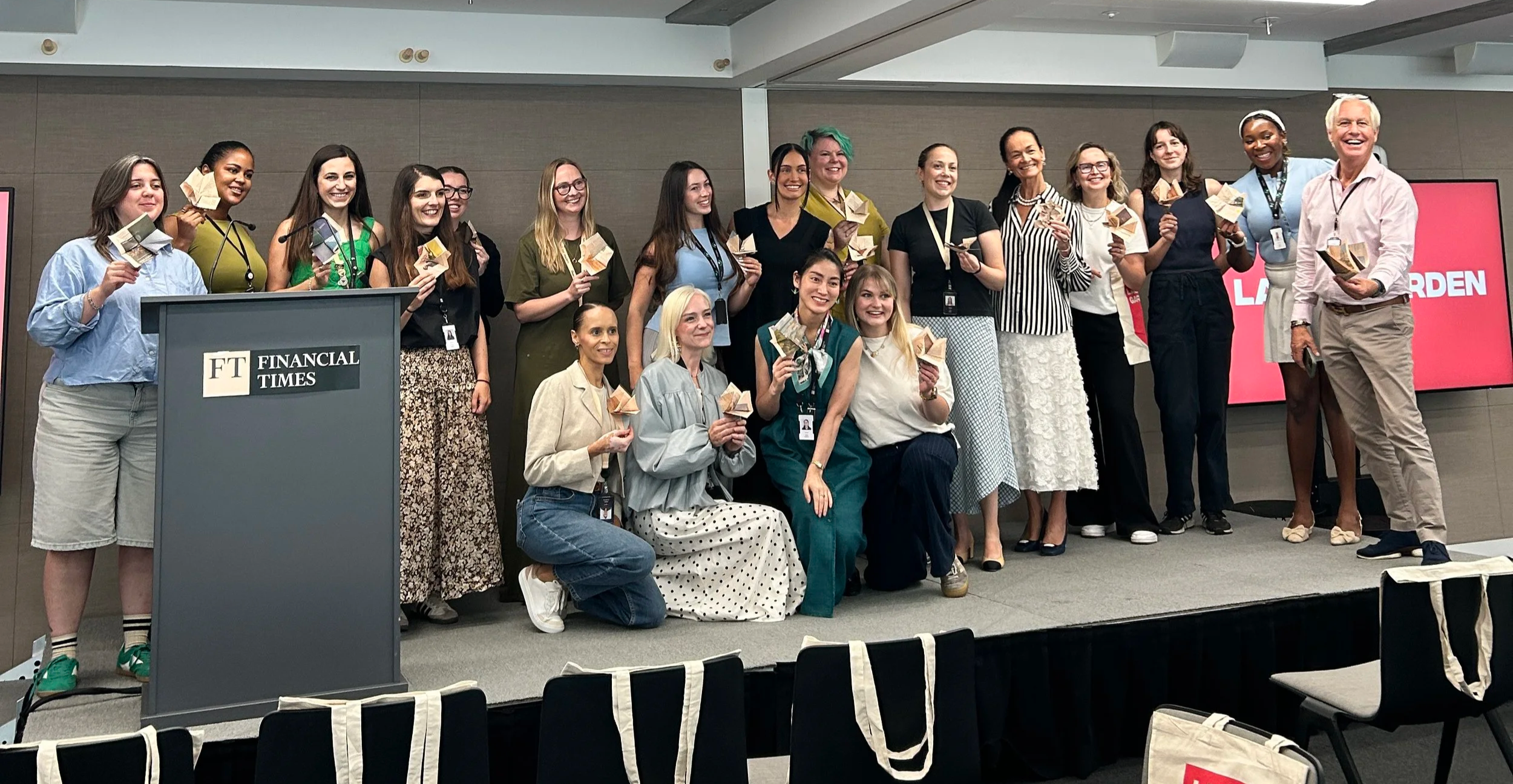
In July 2026, the Financial Times hosted a 'Know the Signs' wellbeing event for colleagues at its offices. The session gave colleagues the confidence to recognise the signs and symptoms of the five gynaecological cancers, know when to seek medical advice, and support the people around them in doing the same, with expertise shared by John Butler, Medical Director at the Lady Garden Foundation, and Dr Annalisa Jenkins OBE, Chair of Trustees at the Lady Garden Foundation.The morning was hosted by Andrew Nicolls, and included a floral origami workshop, an unexpected but impactful avenue to open conversations on topics that can otherwise feel difficult to raise.
We thank the Financial Times for hosting the event, and to Andrew Nicolls for hosting the morning and helping facilitate such important conversations.
If your organisation would like to host an education and awareness session, or if you have ideas for how we could work together to advance education and awareness around women's gynaecological health, we'd love to hear from you.
GET INVOLVED with our education programme
If you’re interested in our education programme we’d love to hear from you! Whether you're a student keen to become an ambassador, a school or university interested in our programme, a parent with questions, or a potential partner or funder, get in touch below:
A FEW other WAYS TO GET INVOLVED
Follow us
Give us a follow on your chosen socials to stay up to date with our upcoming events and fundraisers.
Donate
Your support, no matter the size, will help to improve the prevention, diagnosis and treatment of the five gynaecological cancers.
Partner with us
Let’s chat about partnerships, collaborations, fundraising and Lady Garden ambassadors.
embrace togetherness
We stand together as Daughters, Sisters and Mothers. Join the Lady Garden community - embracing togetherness.