Becky’s story
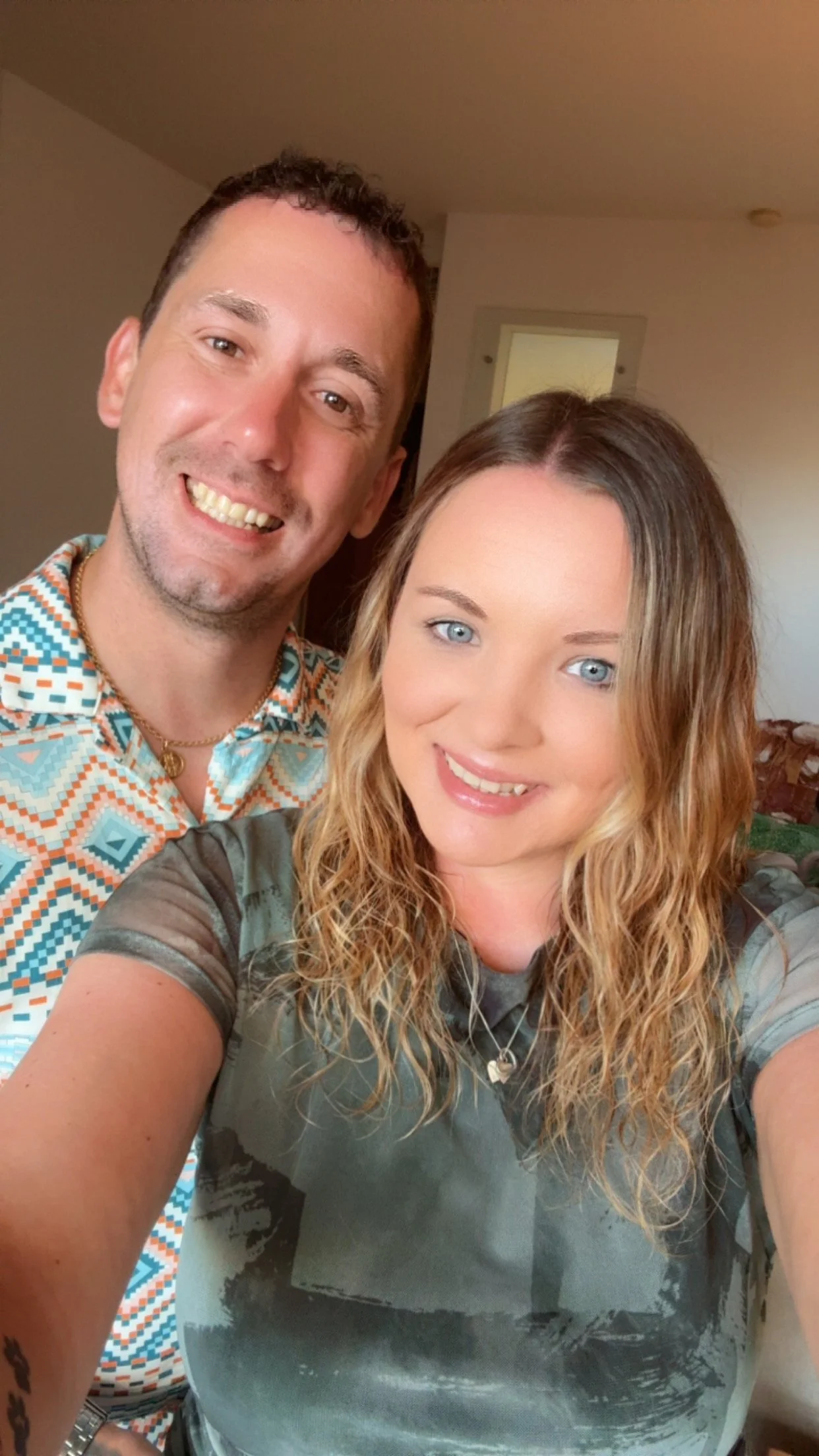
My name is Becky, I’m 36 years old, a wife, a dog mum and someone who, until the beginning of 2026, never imagined that cancer would become part of my story.
In October and November 2025, I started experiencing spotting between my periods. I had no other symptoms and, like many women, I didn't immediately think it could be anything serious. After my November period, I contacted my GP in December. During an examination, she noticed that my cervix looked inflamed and referred me urgently through the two-week cancer pathway for a colposcopy.
At the beginning of January 2026, I attended my appointment, where biopsies were taken. Then, at the end of January, came the phone call that would change my life forever.
I was at home on my own when the phone rang. I was told over the phone that I had cervical cancer. Hearing those words is something that will haunt me forever. You never think you will be the person who gets cancer, especially at 36. Everything else my consultant told me during that call became a blur. I couldn't take it all in. I was just left trying to comprehend what I had been told.
I waited for my husband to get home, and as soon as he walked through the door, I fell into his arms and sobbed. Once the initial shock started to settle, I had to face another heartbreaking reality: telling my family and closest friends that I had cancer.
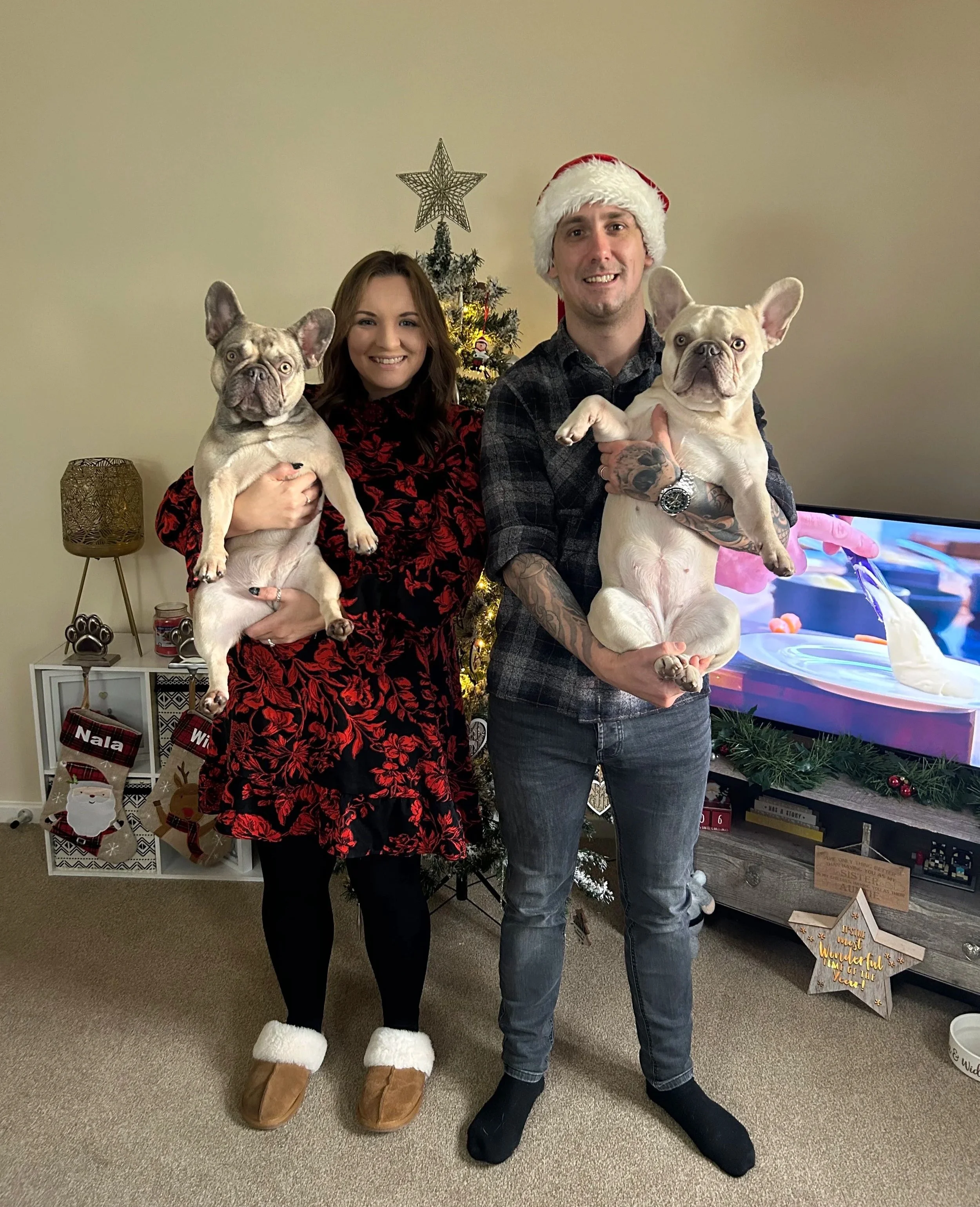
My husband and I live in Cornwall, while our family and many of our closest friends live in Lincolnshire, around six to seven hours away. Being so far away from the people you instinctively want to turn to during the hardest time of your life was incredibly difficult. There were moments when I felt lonely and isolated, wishing I could have my family close by, give them a hug or simply sit with them without having to explain how I was feeling.
The weeks that followed were a whirlwind of appointments, scans, tests and decisions. I went from receiving my diagnosis to undergoing major surgery in just five weeks. I was diagnosed with stage 1b2 cervical cancer and needed a radical hysterectomy, which I underwent on 2 March 2026.
I had open abdominal surgery, involving a vertical incision running from my belly button down towards my pubic bone. My surgery was a radical hysterectomy along with the removal of lymph nodes. It was a huge operation, and although I knew it was the treatment I needed, nothing can truly prepare you for what it means to go through something like that.
At the time, I went into what I can only describe as survival mode. I was focused on getting through each appointment, each test and each hurdle in front of me. I needed to get through surgery, then I needed to get through the physical recovery. There was always another step to concentrate on, another thing to get through. I didn't have much time or space to stop and process what was happening emotionally because I was simply trying to survive it all.
Thankfully, after surgery, I received the news I had been desperately hoping for: there was no evidence of cancer, and I didn't need any further treatment such as chemotherapy or radiotherapy. I will never take that news for granted, and I know how fortunate I am to have had that outcome.
But one of the biggest things I've learnt is that being told you are cancer-free doesn't mean everything immediately goes back to normal.
Recovery is not linear. It takes time, patience and a lot of kindness towards yourself, and I don't think I fully understood that until I was living it.
Physically, recovering from major open surgery has been challenging. There have been pains, side effects, limitations and frustrations along the way. There have been times when I thought I was making progress, only to have a difficult day that left me feeling as though I had taken a step backwards. I've had to learn that healing takes time and that I cannot simply expect myself to return to the person I was before overnight.
Even now, months on from surgery, I am still dealing with physical symptoms and ongoing investigations. Any new twinge, ache or unfamiliar pain can immediately send my mind into a spiral of worry about whether the cancer could have returned. Even when you have reassuring results, that fear can be difficult to switch off.
And then there is the emotional recovery, which, in many ways, I feel I am only really beginning to face.
For so long, I was in survival mode. My focus was on getting through diagnosis, treatment, surgery and then physical recovery. Now that the immediate recovery has passed, I find myself dealing with the emotional weight of everything I have been through on a daily basis.
I don't feel like the same person I was before cancer, in so many ways. My confidence has changed, my relationship with my body has changed, and I am still trying to work out who I am now and what life after cancer looks like for me. There is a strange feeling that life around you is carrying on as normal, while you are still trying to make sense of something that has completely changed yours.
I am currently receiving support through therapy, which is helping me understand my thoughts and feelings, process my experience and give myself the space I didn't have when I was in fight mode. I am learning that I don't have to have everything figured out, and that just because the surgery is behind me, it doesn't mean I should expect myself to be emotionally okay.
I also know that this isn't the end of my journey. I have years of routine check-ups with my gynaecology team ahead of me. Although I am incredibly grateful for the results I have received so far, I know that follow-up appointments and the uncertainty that can come with them will remain part of my life for some time.
If there is one thing I wish more people understood, it is that cancer doesn't always come with obvious symptoms. I had spotting between my periods, but no other symptoms. I sought medical advice because something wasn't quite right, and that led to further investigations and my diagnosis. I want other women to feel confident speaking to their GP about changes in their bodies, however small or embarrassing they might seem. Cervical screening is important, but it is also important to understand that screening is not a diagnostic test for every symptom. If something doesn't feel right, please seek medical advice.
I also want people to understand that you don't have to be strong all the time. You can be incredibly grateful to be cancer-free and still struggle with what you have been through. You can appreciate the outcome of your treatment and still grieve the person you were before. You can look as though you are doing well on the outside while struggling to process everything on the inside.
To anyone going through a similar experience, I would say: give yourself time. Take things one day at a time, accept support when you need it, and don't put pressure on yourself to bounce back just because the treatment has finished. Your recovery is your own, and there is no set timeline for feeling like yourself again.
I decided to share my story with the Lady Garden Foundation because I want to help raise awareness of gynaecological cancers and encourage more open conversations about women's health. These cancers affect so many women, yet the symptoms, the experiences and the emotional impact are not always talked about enough. If sharing my story helps even one woman feel less alone, recognise a symptom or feel confident enough to seek medical advice, then it is worth it.
I am also taking on the London Landmarks Half Marathon in April 2027 raising money and awareness for gynaecological cancers. Before cancer, being active was an important part of my life. I am hoping that, in time, rebuilding my fitness and working towards this challenge will help me regain some of the confidence and sense of self that I have struggled with since my diagnosis. For me, it represents looking forward, finding purpose and doing something positive with an experience I would never have chosen.
I am still finding my feet. I am still learning to be patient with myself, rebuilding my confidence and figuring out who I am post-cancer. I know I still have a long way to go, both physically and emotionally, and I am learning to accept that.
Cancer has changed my life, but I hope it won't define the rest of it. I want to use my experience to help raise awareness, encourage conversations that could make a difference, and remind other women that they are not alone.
If my story can help even one person speak up, seek support or feel less isolated in their own journey, then sharing it will have been worthwhile.
@beckysweeney1