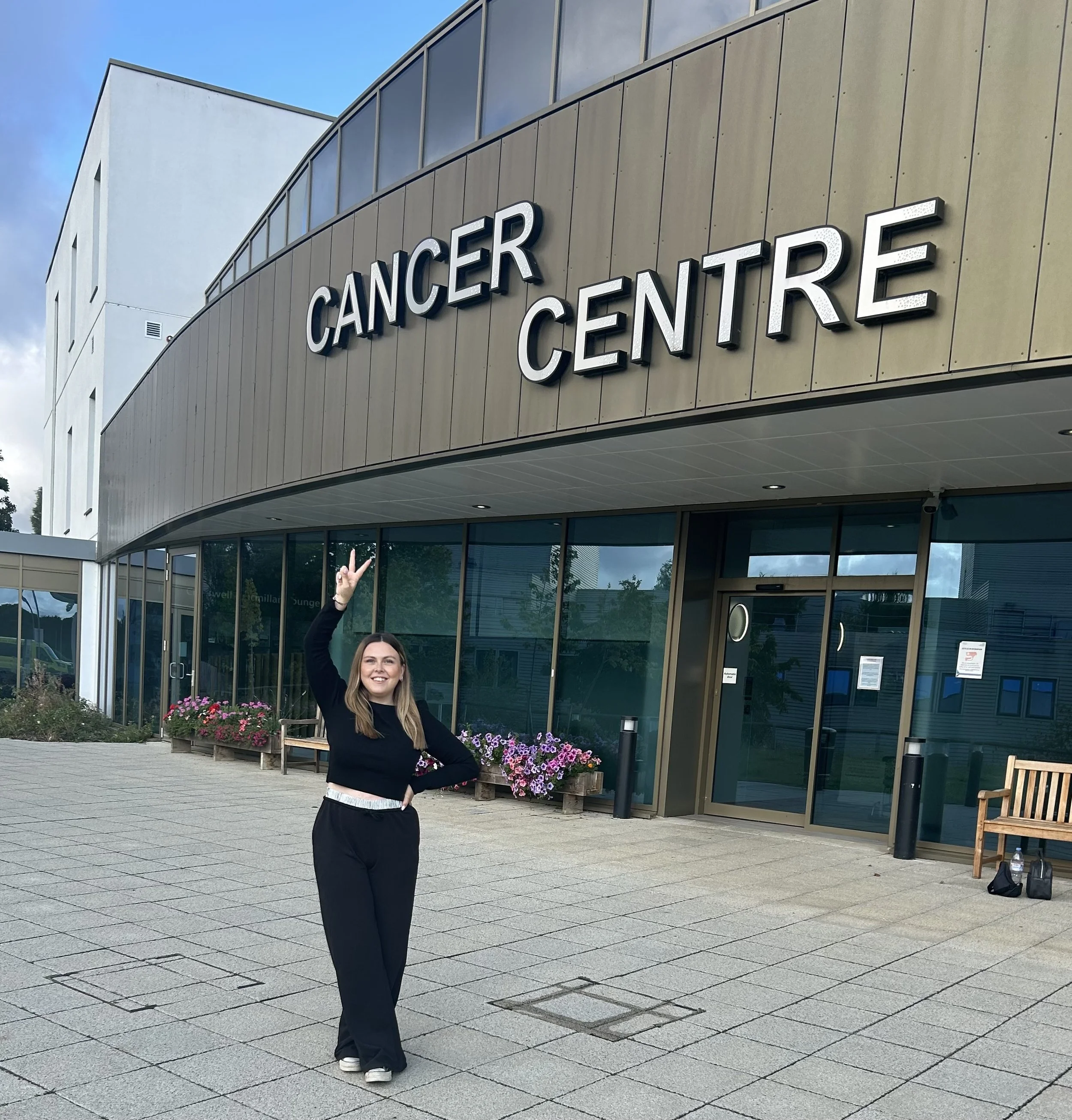
Hollie’s Journey
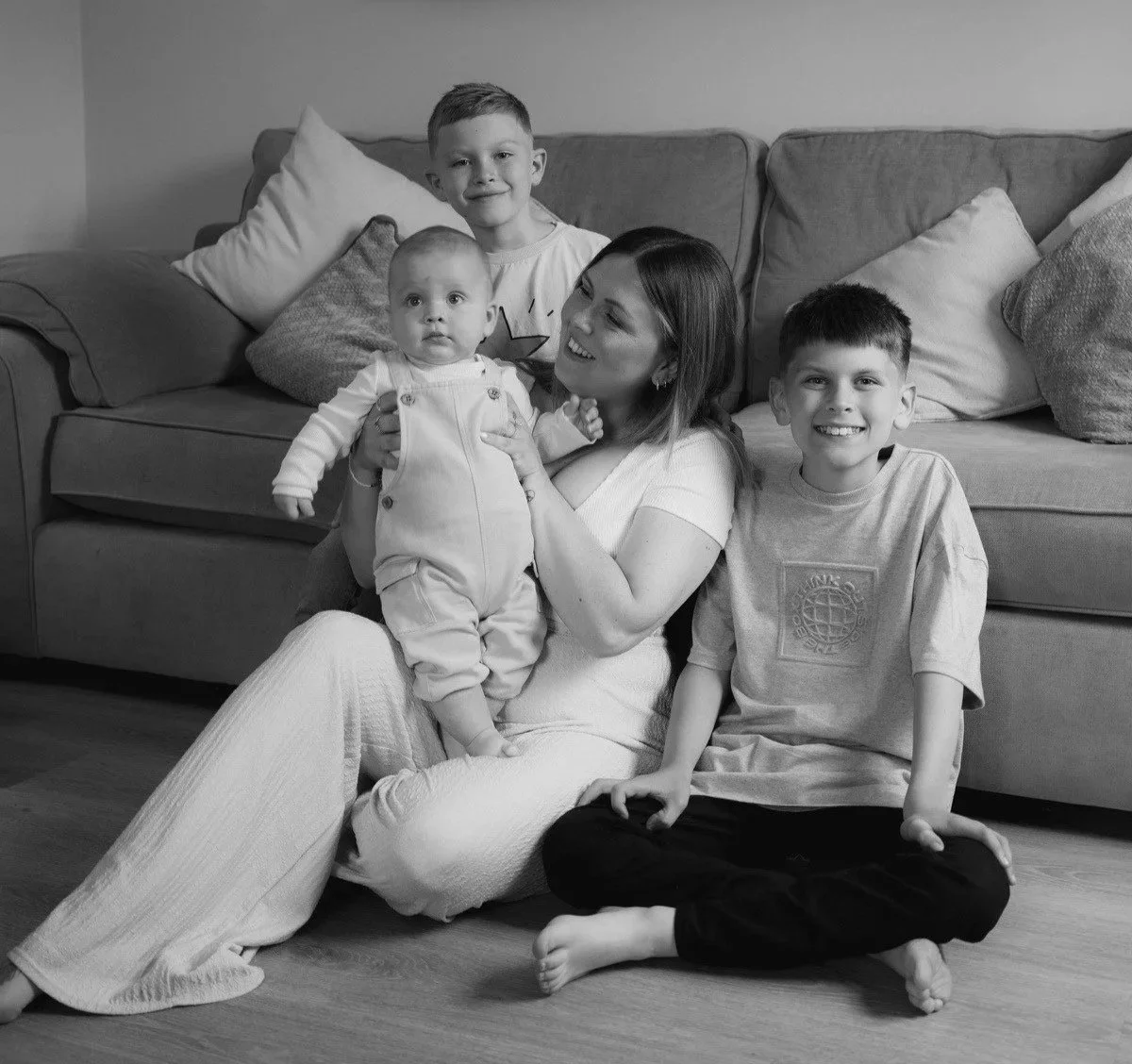
In 2024, I had my third little boy, Roman, by C-section.
I should have been in that newborn bubble, adjusting to life as a mum of three, recovering from having a baby and navigating all the usual chaos that comes with it.
Instead, I couldn't stop bleeding. Some days were heavier, some days spotting at most however it just seemed to be something everyday.
I finally prioritised myself and went to the doctors about it to just be told it was likely stress and hormones. They say you know your body best, because I knew there was something more to it than that. Thankfully I pushed and I was finally given my smear test 3 months after I first visited the doctors.
I had my smear which said I had abnormal cells and HPV +. I wasn’t actually worried as I had had this before, so I just expected to attend my colposcopy and be sent on my way. That colposcopy was my first taste of the chaos of cancer, although I didn’t know it at the time. What was supposed to be a simple biopsy turned into a post op haemorrhage and ended up having to stay in hospital while they got the bleeding under control.
I knew something then wasn’t right.
About a week later, I got a phone call asking me to come back to the hospital the following day.
I remember saying to my partner, "I have cancer."
I just knew.
The next day, they confirmed it.
I had cervical cancer.
I had always attended my cervical screening appointments. My last smear had only been around a year before all of this happened. I wasn't expecting cervical cancer to be the explanation for some simple bleeding.
Initially, I was told it was stage 1B. Obviously hearing the words "you have cancer" was terrifying, but I grabbed onto that stage with everything I had. Stage 1B. Early. Treatable. I was told I would need a hysterectomy. Even that was terrifying but at least it wasn’t anything worse.
So I told my family and friends that I had cancer, but I also found myself reassuring everybody.
"Don't worry, it's stage 1B."
I genuinely thought that was the plan. I would have surgery, recover and somehow start putting all of this behind me.
Then I had further scans.
The cancer had spread to a pelvic lymph node.
I wasn't stage 1B.
I was stage 3C1.
Suddenly, the hysterectomy I had mentally prepared myself for and spent hours googling wasn't the treatment anymore. Instead, I would need chemotherapy, radiotherapy and brachytherapy.
I think that change in staging was one of the hardest things to process. I'd already had to tell everyone I had cancer once. I'd reassured them, and myself, that we'd caught it early. Then I had to go back and say that actually, it was more advanced than we thought.
And through all of this, I had a new baby.
Cancer, postpartum and motherhood
There wasn't really space in my life to just be a cancer patient.
I had three children. I was recovering from a C-section, dealing with everything that happens to your body after having a baby, and at the same time trying to understand how I had gone from giving birth to being told I had stage 3 cervical cancer.
I still had to be Mum.
That's probably one of the things I wish people understood more about being diagnosed with cancer when you have young children. Cancer doesn't arrive and politely clear your diary.
Your children still wake up in the morning needing breakfast. There are school runs. Washing. Bedtimes. A baby who doesn't understand that Mummy has chemotherapy. Children who need reassurance when you're not entirely sure how to reassure yourself.
You're trying to process your own fear while also thinking about what your children can see, what they understand and how much you should tell them.
It was cancer treatment, postpartum recovery and motherhood all happening at the same time.
There was also the practical side of treatment, which I don't think people always think about when somebody is diagnosed with cancer.
I was on maternity leave and receiving maternity pay, so my partner still had to work. We couldn't simply put normal life on hold because I had cancer. We still had bills to pay and three children to look after.
When I started radiotherapy, I had to travel to Oxford every day for treatment. Suddenly we had to work out who could drive me there and back, who could do the school runs, who could have the baby and how we were going to piece everything together around my partner's work.
It felt like a constant rota of asking family and friends, "Can you have the kids?", "Can you do the school run?", "Can you take me to Oxford?"
And that was on top of actually having cancer and going through treatment.
I was incredibly lucky that we had people around us who stepped in and helped, but it made me think constantly about the parents who don't have that. What happens if you don't have family nearby? What if your partner can't take time off work? What if you're a single parent? What if you simply don't have somebody who can take your baby for the day while you travel to treatment?
You shouldn't have to build an entire childcare network at the same time as trying to get through cancer treatment.
That experience stayed with me, and it's ultimately one of the reasons I later started campaigning for better childcare support for parents with cancer.
Getting through treatment
My treatment was chemotherapy, radiotherapy and brachytherapy shared between Milton Keynes Cancer Centre and Churchill Hospital in Oxford.
Before cancer, I don't think I understood just how consuming treatment could be. Your diary suddenly becomes hospital appointments, blood tests, treatment, scans and waiting for results.
And the waiting is awful.
There are also parts of gynaecological cancer treatment that we simply don't talk about enough. Brachytherapy, the effects of pelvic radiotherapy, changes to your body, your hormones, your sex life and your confidence. These aren't necessarily easy things to talk about, but women are going through them every day.
I started sharing more of my experience on Instagram because I wanted to be honest about those parts too.
Not just the inspirational bits. Not just ringing bells or finishing treatment.
The actual reality of it.
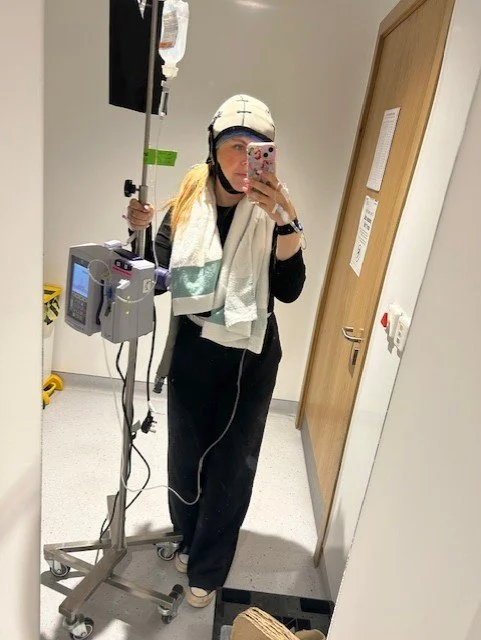
One thing I also decided to do during chemotherapy was cold cap.
Hair loss might seem like a small thing when you're being treated for cancer, but to me it wasn't. So much had already changed so quickly. I'd just had a baby, my body didn't feel like my own, I'd gone from being told I had early-stage cancer to stage 3C1, and suddenly I was a cancer patient.
I wanted to keep my hair if I could. Partly for me, but also because I had three children at home and I didn't want to look completely different to them overnight.
Cold capping wasn't easy. Those first few minutes when the cap went on were horrible, and it made already long chemotherapy days even longer. I still lost hair and spent far too much time analysing what was coming out in the shower, but I managed to keep the majority and I think even the nurses were amazed at how well it worked for myself (especially with the 3 different types of chemo I was on!)
I know cold capping isn't important to everyone and it isn't something everybody wants or is able to do. But for me, it gave me a tiny bit of control at a time when pretty much everything else felt completely out of my hands.
When treatment ends
Before I had cancer, I think I imagined finishing treatment would feel like crossing a finish line. You're done. You survived. Back to normal.
I really wasn't prepared for the fact that I wouldn't just bounce back.
After treatment, I had a lot of problems with my hips and my mobility as a result of radiotherapy. Walking hurt and things that should have been completely normal for someone in their early 30s suddenly weren't easy anymore.
I remember my physio telling me that he'd seen people in their 80s after cancer treatment with better mobility than I had.
That really threw me.
I was 33. I had three young children and in my head I should have been able to get up, go to work, run around after my children and live like any other 33 year old. I didn't want to accept that my body couldn't necessarily do all of those things anymore.
So I pushed through the pain where I could. I think I was desperate to prove, probably to myself more than anybody else, that I could still be "normal".
Eventually I had to accept that going back to my old life exactly as it was wasn't realistic. I ended up giving up my job because physically I just couldn't bounce back in the way I had expected myself to.
That was hard. Cancer had already taken over so much of my life, and I don't think I had appreciated how much it could continue to change things even after the treatment had stopped.
There is so much focus on getting somebody through cancer treatment, understandably, but I wish I'd been more prepared for what can happen afterwards. Finishing treatment doesn't necessarily mean you're better. Your body has been through something enormous, and sometimes the impact of that only really becomes apparent once you're trying to live normally again.
There was also the emotional side. The appointments suddenly became less frequent, but the fear didn't disappear with them. There were scans, check-ups, scan anxiety and learning to trust my body again when my body had managed to grow cancer without me knowing.
I had to stop trying so hard to get back to the person I was before cancer and start figuring out who I was afterwards.
I'm still figuring some of that out.
In August 2025, I was told I was cancer free. I don't think I can properly explain what that milestone means to me. I'm incredibly grateful to be here, but I've also learnt that being grateful to be cancer free and acknowledging what cancer has left you with can exist at the same time.
I look at Roman now and think about the fact that the beginning of his life and my cancer diagnosis are so intertwined. His newborn months looked nothing like I imagined they would.
But we're here. My boys still have their mum.
Turning my experience into something
Cancer has ended up changing the direction of my life in ways I never expected.
I started using my Instagram to talk openly about cervical cancer and life during and after treatment. Sometimes that's awareness and symptoms, sometimes it's the realities of treatment and sometimes it's simply talking about the things that can feel difficult to say out loud.
That eventually led me to create Chemo & Co.
Chemo & Co came from looking at what existed for people going through cancer and thinking there was something missing. I wanted resources that didn't just tell you what chemotherapy was, but gave you somewhere to process what was happening to you.
I've since created journals around diagnosis, chemotherapy, radiotherapy, remission, relationships and parenting through cancer.
Cancer also showed me how many practical problems exist alongside the medical ones.
One of the biggest for me was childcare.
When you're a parent having cancer treatment, there will be days when you physically cannot do everything you normally do. Yet some childcare support is connected to working, creating this ridiculous situation where becoming too ill to work can also affect the childcare you desperately need while you're ill.
That is why I started a petition calling for time-limited funded childcare for parents undergoing cancer treatment and the immediate recovery period.
I can't change the fact that I had cancer, but I can try to make parts of the experience better for the next parent who does.
The support beyond medicine
I've also gone on to work with Al's Pals, a cancer support charity providing emotional support to people affected by cancer in hospital and at home.
That feels particularly important to me now.
The doctors, nurses and radiographers treat your cancer, but there is a whole person attached to that diagnosis who needs looking after too.
Sometimes you need somebody who will sit with you and listen. Somebody you don't have to protect from how you're really feeling.
Emotional support shouldn't be an afterthought in cancer care.
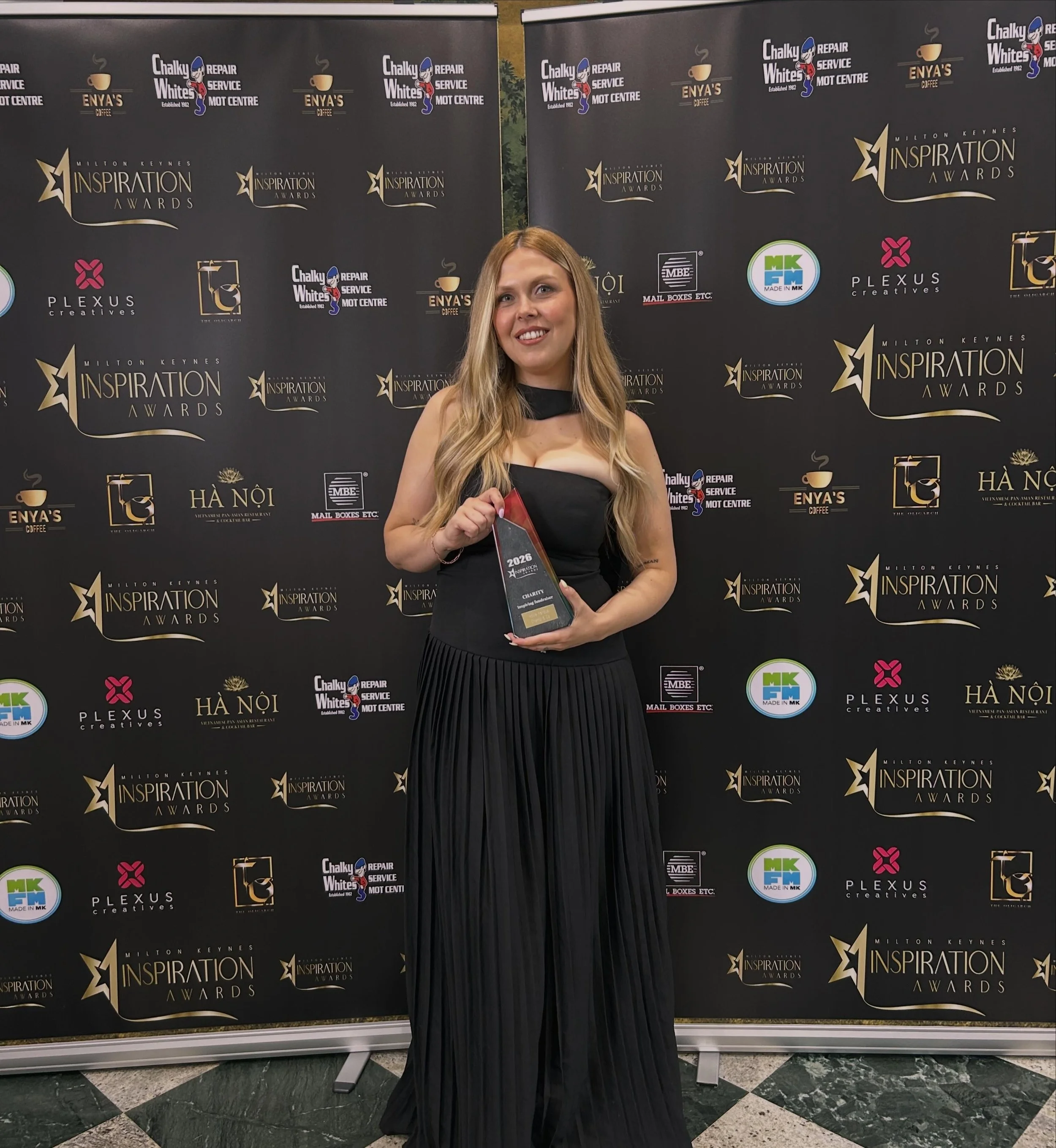
Fundraising has also become a huge part of my life since cancer. Last year, I raised around £13,000 for different charities, and I now work in fundraising too. Never did I think I would be doing a skydive (but I did and I LOVED it!).
Before all of this, I don't think I fully appreciated just how much difference fundraising at a local or individual level can make. We often see huge fundraising totals and think that our £50 or £100 won't really matter, but it genuinely does.
One thing I'd love people reading this to take away is to find something that means something to you and support it in whatever way you can. It might be a charity like the Lady Garden Foundation, a local cancer charity, or a completely different cause that has touched your life.
You don't have to run a marathon or raise thousands of pounds. Do a bake sale, organise something with your workplace, take on a challenge, hold a little event or simply set yourself a small fundraising target. Every amount raised has come from somebody deciding to do something, and all of those small amounts add up.
Cancer has made me realise that I want to spend more of my time doing things that matter to me. Fundraising has become one of those things.
A thank you to those who got me through
One thing I will always take from this experience is how much the people around me carried me through it.
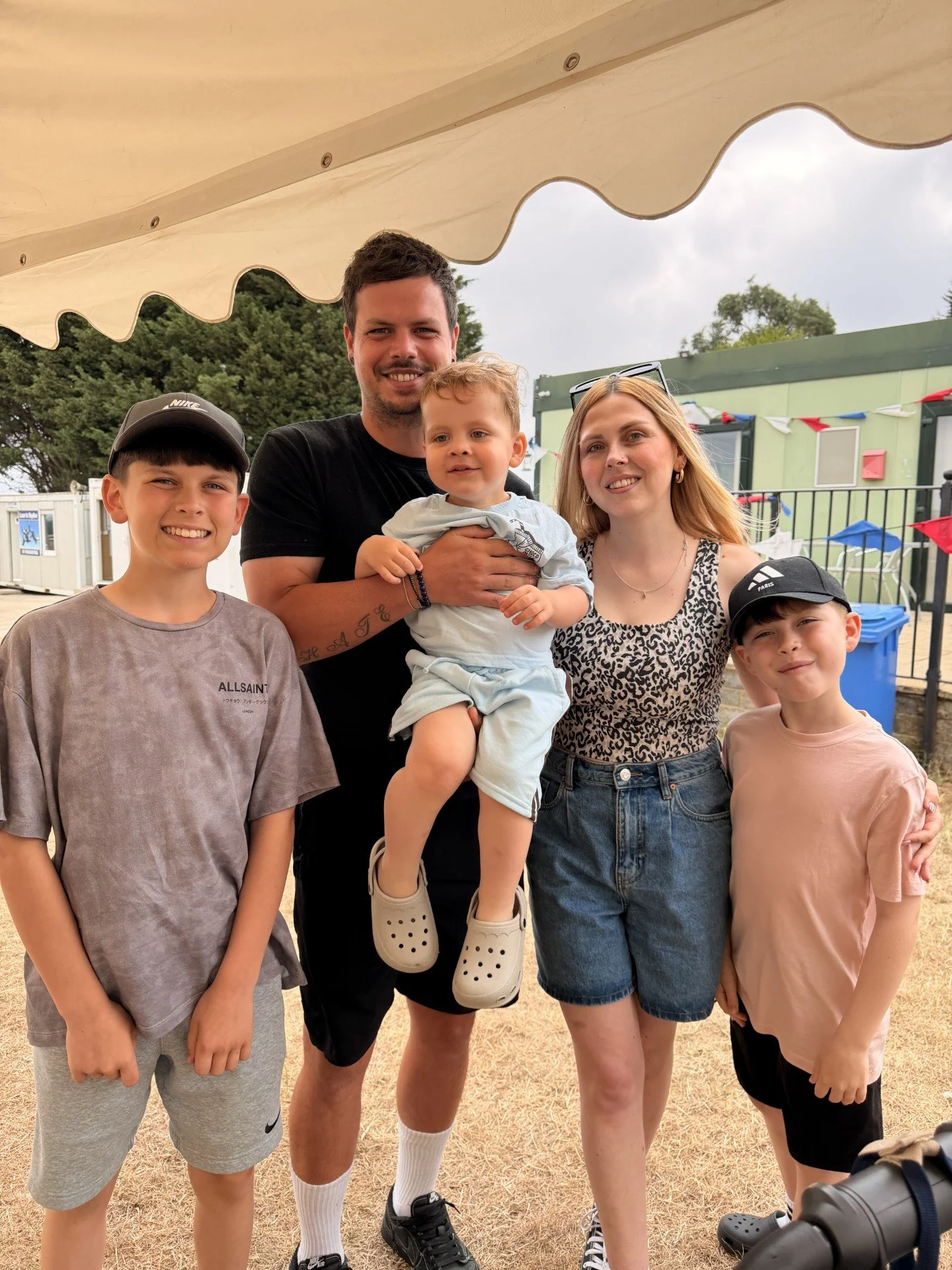
I couldn't have navigated treatment, motherhood and everything that came afterwards without my partner Ben, my boys Frankie, Rafe and Roman, and our family and friends around us. Whether it was looking after the children, doing a school run, driving me backwards and forwards to treatment, sitting with me or simply being there on the days when everything felt a bit too much, that support made an incredibly difficult time that little bit easier.
I also found a completely new community through cancer. I met other women going through cervical cancer who understood things that were sometimes impossible to explain to anyone else. Being able to talk to somebody who just gets the fear, the treatment, the side effects and even the strange humour that comes with it has been so important, both during treatment and afterwards.
I'll always be incredibly grateful for the care I received from the teams at Milton Keynes University Hospital and the Churchill Hospital in Oxford. So many people played a part in getting me to where I am now.
And since treatment, that circle has continued to grow through Chemo & Co, Al’s Pals and my advocacy. I've spoken to so many people affected by cancer, heard their stories and had conversations that have reminded me why I started it in the first place.
Cancer can be incredibly lonely, even when you're surrounded by people. I was very lucky that, at every stage of mine, there were people beside me. Some I'd known for years, some I met because of cancer, and some I've met because of the life I've built afterwards.
I'm incredibly thankful for all of them.
What I want other women to know
If there is one thing I want somebody to take from my story, it is to trust yourself when you know something isn't right.
I had attended my cervical screening. I'd had one only around a year earlier.
When I started bleeding after having Roman, there was an understandable explanation for it. I'd just had a baby. I'd had a C-section. I was hormonal, exhausted and postpartum.
But the bleeding wasn't normal and I just knew there was something going on.
I'm incredibly grateful that I pushed and advocated for myself.
Please attend your cervical screening when you're invited. But also remember that screening isn't the same as investigating symptoms.
If you're bleeding when you shouldn't be, if something has changed, or if something simply doesn't feel right, get it checked.
And if it continues, go back!
You know your own body.
What I'd say to somebody going through it now
You don't have to be positive all the time.
That is probably one of the biggest things cancer has taught me.
You can be grateful for your treatment and still hate what you're going through. You can be terrified and hopeful at the same time. You can have a lovely day with your children and then cry in the bathroom that evening.
You don't owe anyone an inspirational version of cancer.
Take the help.
Talk about it if you want to.
Say when you're scared.
And when treatment finishes, don't expect yourself to immediately become the person you were before your diagnosis.
I am definitely not that person anymore.
Cancer is part of my story now, but I don't want it to be the only part.
I'm a mum. I'm one year cancer free. I run Chemo & Co. I campaign for better support for parents with cancer. I work with Al's Pals. I talk about cervical cancer online because women's health still isn't talked about openly enough.
None of those things mean I'm glad cancer happened to me.
I'm not.
But it did happen.
And if I can use that to make one woman question abnormal bleeding, attend her screening, push for an appointment, feel less alone during treatment or know that struggling after treatment doesn't make her ungrateful, then there is something worthwhile I can do with my experience.
That's why I'm sharing it.