Sunita’s Journey
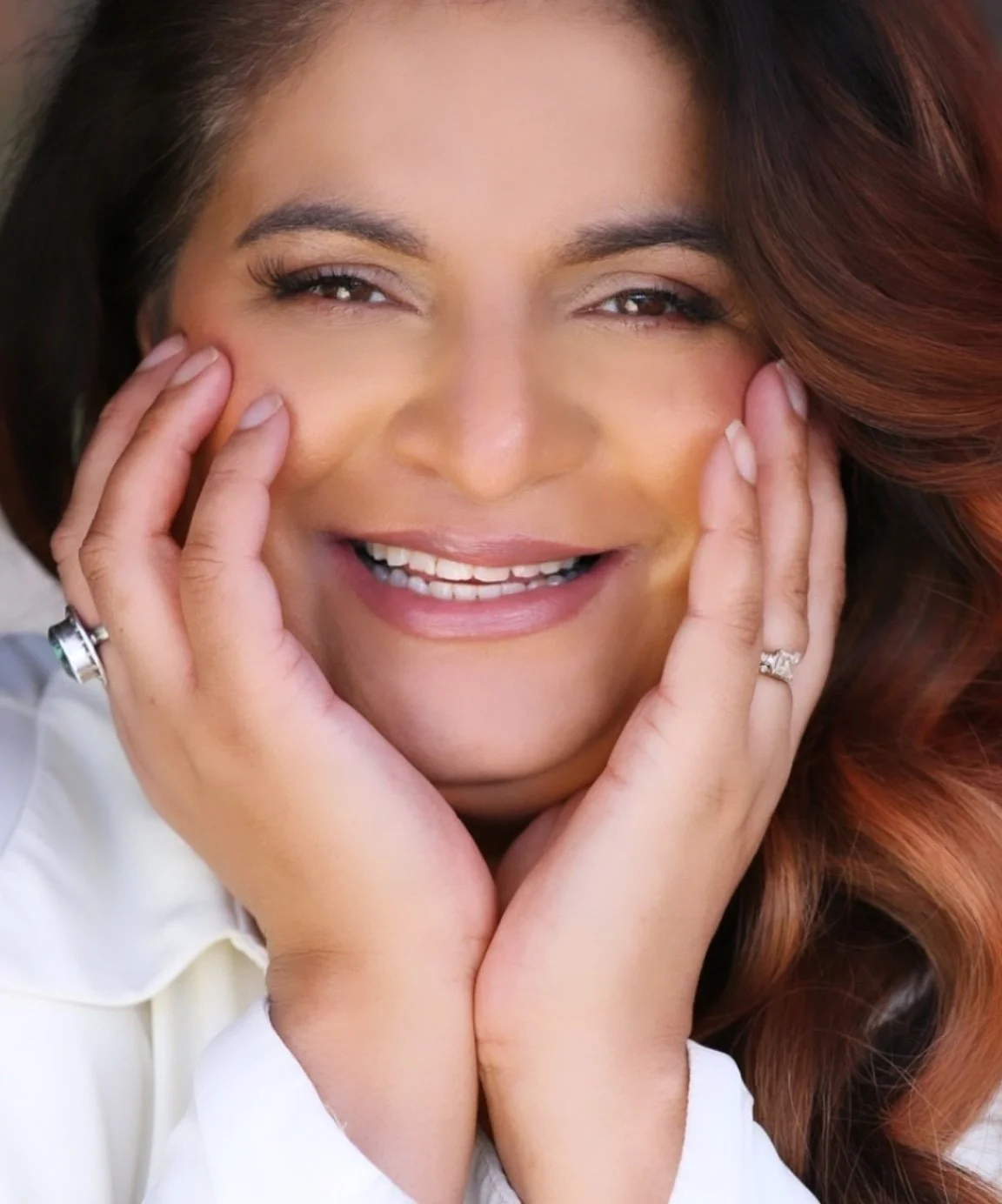
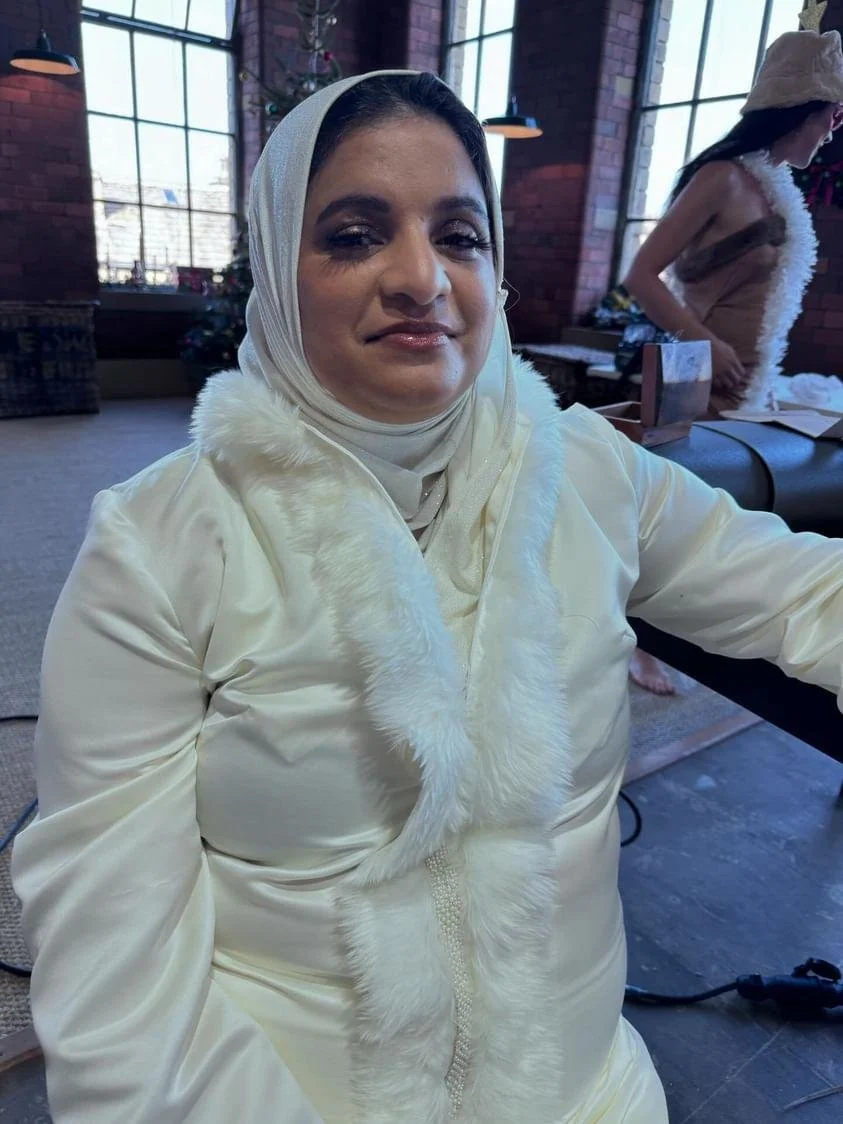
My name is Sunita Thind. I'm a British South Asian Sikh woman, a model, writer and patient advocate. I was diagnosed with ovarian cancer at just 38 years old, and my life changed overnight. Today I'm living with the long-term effects of ovarian cancer, including surgical menopause without being able to take hormone replacement therapy, and I continue to navigate the impact of recurrence and complex health conditions.
When did your experience begin?
My experience began when I was 38. Before my diagnosis, I didn't know the symptoms of ovarian cancer and never imagined it could happen to me at that age. Like many women, I thought I was too young.
Can you tell us about your experience?
Hearing the words "you have ovarian cancer" shattered my world. Treatment wasn't just about surviving cancer; it meant losing my fertility, going into immediate surgical menopause, and grieving a future I thought I would have.
The physical symptoms were devastating, but the emotional impact has lasted much longer. Surgical menopause at 38 affected every part of my life, and because HRT isn't an option for me, I've had to learn how to live with symptoms that many people don't understand.
I want people to understand that ovarian cancer doesn't end when treatment ends. Survivorship is complex, and recurrence brings another layer of uncertainty.
How did your experience affect you and those around you?
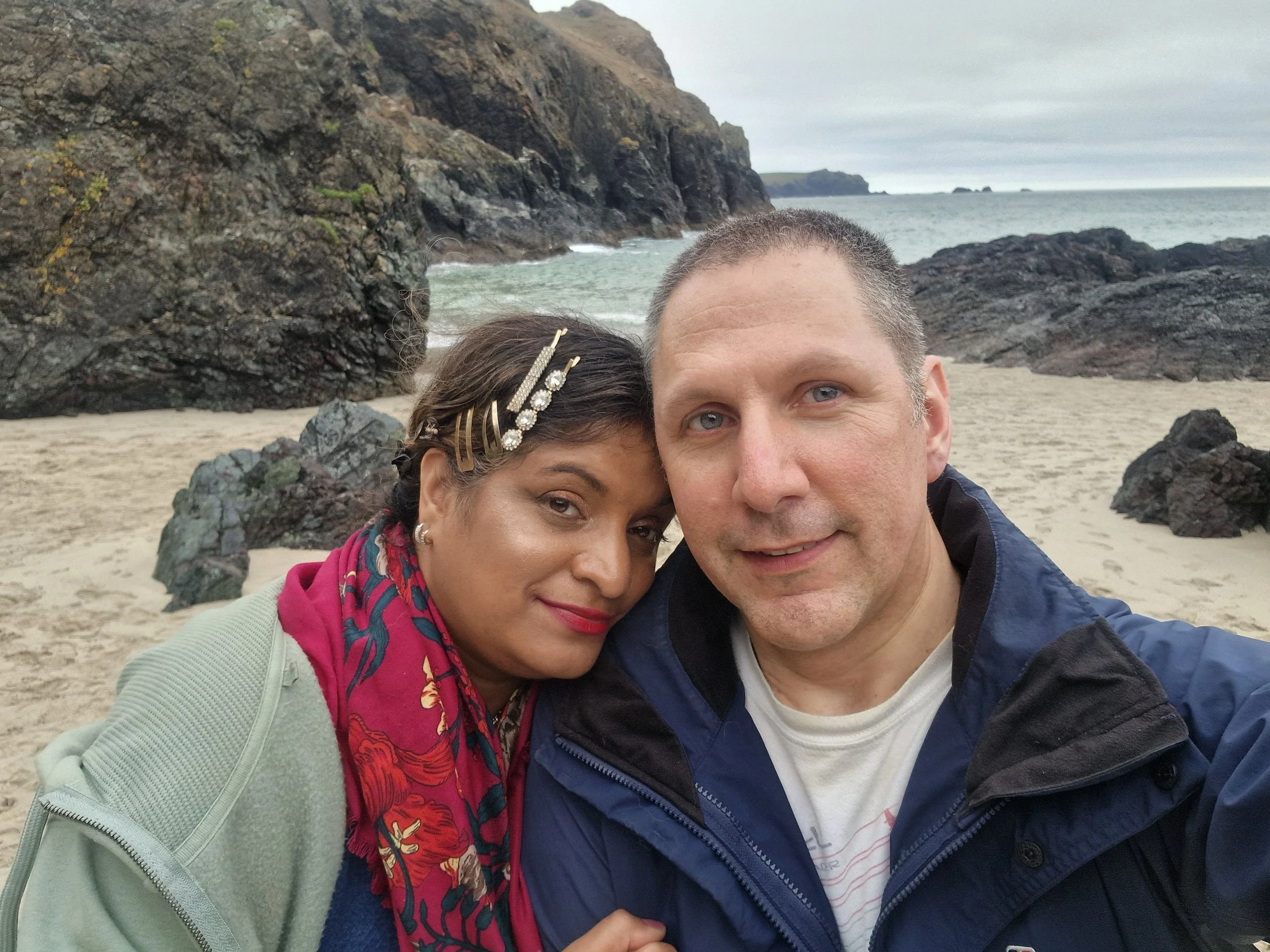
Cancer affected my relationships, my confidence, my mental health, and my career. It also affected the people who love me. My husband has been my biggest support throughout this journey.
As a South Asian woman, I also want to help break cultural silence around gynaecological health. We need more conversations in our communities about symptoms, fertility, menopause and cancer.
What helped you during this time?
Compassionate healthcare professionals, my husband, my dog, creativity, writing and modelling helped me keep going. Sharing my story has also become part of my healing.
Is there anything you wish you'd known earlier?
I wish I'd known the symptoms of ovarian cancer: persistent bloating, pelvic pain, feeling full quickly and changes in bowel or bladder habits. I also wish I'd known how life-changing surgical menopause could be, especially for younger women.
Why did you decide to share your story now?
I'm sharing my story because silence can delay diagnosis. If one woman recognises her symptoms earlier because she reads this, then telling my story is worth it.
What would you say to someone going through something similar?
You are not alone. Trust your body, ask questions, and keep advocating for yourself if something doesn't feel right. Your voice matters.
Is there anything you'd like readers to do after reading your story?
Learn the symptoms of all five gynaecological cancers, talk openly about gynae health, and encourage the women in your life to seek help if something feels different. Awareness can save lives.
Is there anything else you'd like to share?
Ovarian cancer took away things I can never get back, but it also gave me a purpose. I want to use my voice to help other women—especially younger women and women from underrepresented communities—feel seen, heard and believed.